

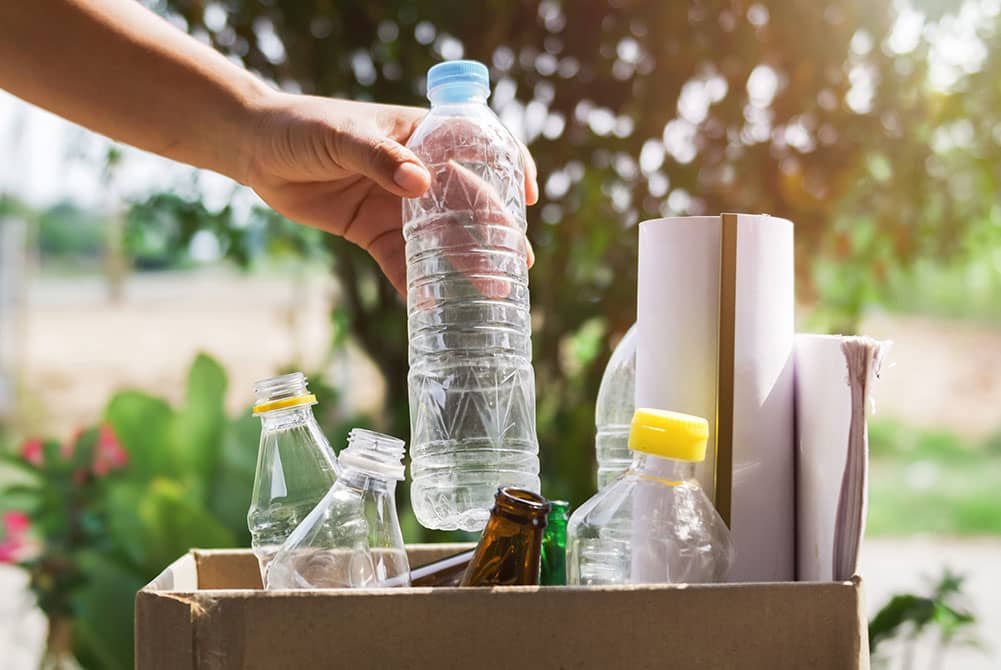
Recycling and reusing reduce pollution in ways that are easy to overlook. When you repair a chair instead of replacing it, you avoid the materials and manufacturing needed for a new one. When an aluminum can is recycled, its metal can be used again instead of relying entirely on newly mined material.
The two approaches work differently. Reuse keeps a product in use, while recycling recovers its materials after it can no longer serve its purpose. Both can reduce waste and the demand for new resources, though the benefit depends on what you reuse or recycle and what it replaces.
So how do recycling and reusing reduce pollution in practice? Let’s look at what happens before an item reaches your home, what happens after you’re done with it, and where each choice makes the most difference.
What Is the Difference Between Reusing and Recycling?

Reusing means using a product again without breaking it down into raw materials. You might refill a glass jar, repair a jacket, give a working lamp to a friend, or use a sturdy box for another shipment. The product stays largely intact.
Recycling starts when an item can no longer be used as it is. Its materials are collected, sorted, and processed so manufacturers can use them in new products. An aluminum can, for example, can be melted down and made into another aluminum product.
That extra processing is why it usually makes sense to reuse a safe, functional item before recycling it. A jar you use for another year does not need to be collected and remade yet. When you no longer need it, someone else may be able to use it. If it cannot be reused, check whether your local program accepts it for recycling.
Neither option works automatically. Donating something nobody will use does not replace a new purchase, and placing an item in a recycling bin does not guarantee it will be recycled. The real benefit comes when a product stays in use or its recovered material becomes something useful.
How Does Recycling Reduce Pollution?
Recycling can prevent pollution at several points in a product’s life. One major benefit comes when manufacturers use recovered material in new products, which can reduce the need to extract and process fresh resources.
Less Mining, Logging, and Raw Material Processing
A new product begins long before it reaches a store. Its materials may need to be mined, harvested, transported, and refined. Each step can use energy and affect the surrounding air, land, or water.
Recycled materials can replace some of those newly extracted resources. Making a product with recovered aluminum, for example, reduces the need for new aluminum ore. Recycling paper can reduce demand for new wood fiber, although the paper still has to be collected and processed.
The benefit depends on the material and how it is recycled. Still, using resources we have already taken from the earth can mean less pollution from obtaining new ones.
Less Energy Used in Manufacturing
Turning recovered materials into new products often takes less energy than starting with raw materials. That matters because producing energy can create air pollution and greenhouse gas emissions.
The savings vary considerably. Recycling an aluminum can is different from recycling a glass bottle or a sheet of paper, so there is no single energy-saving figure that applies to everything in your bin.
Less Waste Sent for Disposal
When materials are successfully recycled, they avoid disposal in a landfill or incinerator. Communities then have less waste to manage, and useful materials remain available for new products.
This benefit depends on what happens after collection. A plastic package placed in a blue bin may still be discarded if the local program does not accept it or it cannot be sorted and sold. Checking your local recycling rules is more useful than assuming every package with a recycling symbol belongs in the bin.
Recycling helps most when the collected material is actually processed and used in a new product. The material then has a chance to be used again.
How Recycling Affects Air, Water, and Land Pollution

Recycling and reusing can reduce pollution at different stages of a product’s life, including before it reaches your home and after you finish using it. Companies must obtain raw materials, transport them, and turn them into usable parts. Looking at those stages helps explain why recovering materials matters.
Air Pollution
Mining, processing, manufacturing, and transporting materials all require energy. Depending on the fuel used, those activities can release greenhouse gases and other air pollutants. Making a product from recovered material can avoid some of the energy and processing required to start from scratch.
That does not mean a recycling truck or factory produces no emissions. To judge the benefit, you have to compare both production processes from beginning to end.
Water Pollution
Extracting and processing raw materials can affect nearby water through wastewater, runoff, and other releases. Recovering usable material may reduce the amount of new extraction needed and some of the associated pollution risks.
Proper disposal matters as well. Batteries, paints, and other hazardous products should go through designated collection programs so their contents can be handled safely. An ordinary household recycling bin is not designed to manage them.
Land Pollution
Recycling reduces the amount of successfully recovered material sent for disposal. It can also reduce demand for some newly extracted resources, which may limit the land disturbance involved in obtaining them.
But recycling is not a direct fix for litter. A discarded bottle can still end up in a street, river, or natural area before anyone has a chance to collect it. Preventing litter and making collection convenient remain essential.
How Does Reusing Reduce Pollution?
Reusing keeps a finished product in service, so there may be no need to make a replacement. Think of a winter coat: making a new one requires fabric, dyes, energy, packaging, and transportation. If someone else wears a coat you no longer need, those resources may be saved.
The same idea applies to furniture, tools, containers, and electronics. Repairing a loose chair leg can give the chair years of additional use. Borrowing a tool you need once may make more sense than buying one that will spend most of its life in a closet.
Reuse can also keep useful items out of the waste stream. But the benefit comes from using them, not simply saving them. A stack of empty jars has little value if it sits untouched; a few jars you refill regularly have a clear purpose.
Durability matters too. A reusable product has its own manufacturing footprint. It makes the most sense when it lasts and replaces items you would otherwise buy or throw away.
Which Is Better for Reducing Pollution: Reusing or Recycling?
If an item is still safe and useful, reusing it is usually the better first step. You get more value from a product that has already been made without immediately collecting, sorting, and processing its materials.
When the item can no longer be used or repaired, recycling may recover some of those materials. A worn cardboard box, for instance, might no longer protect a package, but its fibers may still be useful to a paper recycler.
The best choice depends on the item. A cracked food container may no longer be safe or practical to reuse. A working laptop, on the other hand, could serve someone else for years before it needs electronics recycling.
A helpful question is: “Can this item replace something someone would otherwise buy?” If yes, repair, refill, share, sell, or donate it. If no, check whether your local program can recycle it. That way, each item gets the longest useful life it reasonably can.
How the Benefits Differ by Material
The benefits of recycling and reusing differ by material: a metal can, cardboard box, glass jar, and plastic package each have different options after use. Each one has its own production process, collection rules, and potential benefit when recovered. That is why broad claims such as “recycling always saves the same amount of energy” are misleading.
Aluminum and Other Metals
Metals can be recovered from cans, appliances, vehicles, and other products. Using recovered metal reduces the need for some newly mined material and the processing that follows mining. Aluminum is a particularly useful example because producing it from raw ore takes substantial energy.
An empty can has the best chance of being recycled when it goes into a collection program that accepts it. Metal objects such as cookware or appliance parts may need a scrap-metal facility rather than a household bin.
Paper and Cardboard
Recovering paper fibers can reduce the need for new fiber in paper products. Clean cardboard boxes and paper are commonly accepted by recycling programs, though exact rules vary.
Paper fibers wear down as they are processed, so paper cannot be recycled endlessly. Food-soaked material may also be unsuitable for a standard paper recycling stream. Keep recyclable paper and cardboard dry so they can be sorted and processed.
Glass
Glass bottles and jars can be collected and made into new glass products where suitable processing is available. But glass is heavy to transport, and some communities do not accept it curbside. A local drop-off site may be the right option.
Broken drinking glasses, ceramics, and mirrors generally do not belong with bottles and jars because they are made differently and can interfere with processing. Check your program before adding them.
Plastic
Plastic presents a more complicated picture. Different resins, colors, shapes, and additives can make packages difficult to sort and process together. Some containers have established local collection routes, while others have few practical recycling options.
This is why the plastic number is an identification code rather than a promise. For packaging your local program does not accept, reducing unnecessary purchases or choosing a refillable option may be more effective than hoping it can be recycled later.
Practical Ways to Reuse More at Home

You do not need to save every container or take on a complicated repair project. Start with items you already own and uses that fit your routine.
A sturdy shopping bag is useful when you remember to bring it. A refillable bottle helps when you regularly carry it instead of buying drinks in disposable bottles. If a shirt has a loose button or a small tear, a quick repair may keep it in your closet for another season.
Larger items can make a difference too. Before replacing a lamp, chair, or small appliance, check whether a simple repair is possible. If it still works but no longer suits your needs, offer it to someone who can use it. Local donation centers, secondhand shops, and neighborhood groups can help usable goods find a new home.
For things you rarely need, consider borrowing or renting. Sharing a specialized tool lets several households benefit from one product rather than each buying their own.
Choose a few ways to reuse items that fit your routine. When something has genuinely reached the end of its useful life, check whether it can be recycled locally.
How to Recycle More Effectively
Recycling works best when the right materials reach the right facilities. A few checks at home can help prevent usable materials from being rejected during sorting.
Check Your Local Recycling Rules
Before adding an unfamiliar item to the bin, look at the accepted-material list from your city or recycling company. Rules vary by location, especially for plastics, cartons, and glass. A package that can be recycled in one community may not be accepted in another.
Keep Food and Liquids Out of the Bin
Empty containers and follow your program’s guidance on rinsing them. Leftover food and liquids can soak into paper and cardboard, making those materials harder to recover. Keep recyclables loose if your program requires it; bagged materials can be difficult for sorting equipment to handle.
Don’t Rely on the Number on Plastic Packaging
The number stamped on a plastic container identifies its resin type. It does not guarantee that your local recycling program accepts it. Plastic bags and film often need separate collection and should stay out of curbside bins unless your provider specifically says otherwise.
Handle Batteries and Electronics Separately
Batteries, electronics, paint, and other hazardous household items generally need a designated collection point. Putting them in an ordinary recycling bin can create problems for workers and equipment. Check your municipality’s disposal guide for the right place to take them.
If you are unsure about an item, check locally before putting it in the bin. Recycling materials your program actually accepts is more useful than filling the bin with things it cannot process.
Can Recycling and Reusing Eliminate Pollution?
Recycling and reusing work best alongside buying only what you need, choosing products that last, and following your local collection rules. Recycling facilities use energy to collect, sort, and process materials. Reusable products also require resources to manufacture, wash, and transport.
Some waste cannot be recycled through local programs, and some reusable items wear out quickly or sit unused. A reusable bottle, for example, is most helpful when you carry it regularly instead of buying disposable bottles.
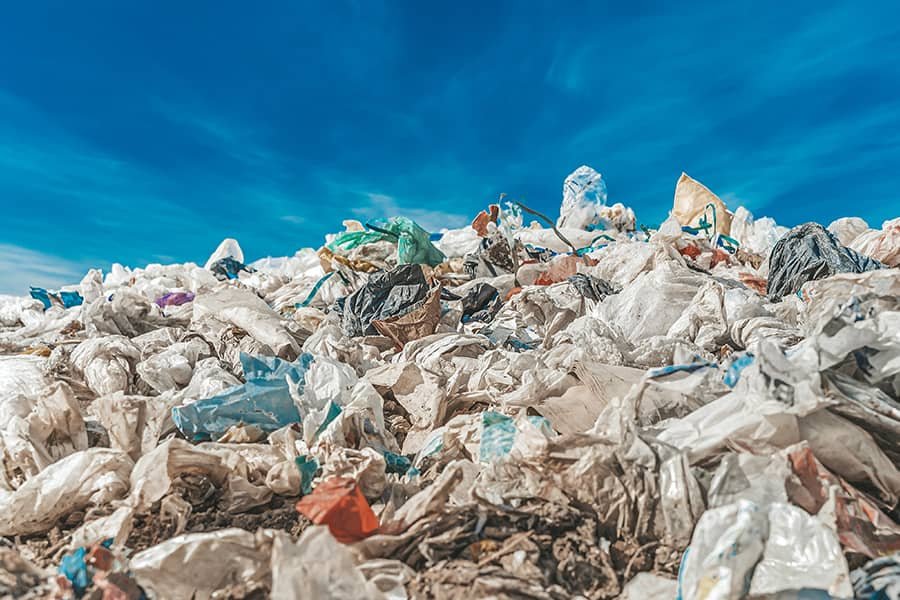
Plastic packaging shows why recycling alone cannot solve a pollution problem. Some packaging is difficult to collect or recycle locally, and discarded plastic can escape into the environment. Choosing less unnecessary packaging and reusing suitable products can prevent waste before a recycling bin is needed.
Keeping a phone for an extra year, if it still meets your needs, may avoid the manufacturing involved in replacing it. Choices like that address waste earlier—before collection or recycling becomes necessary.
The practical goal is to use fewer resources and keep useful materials in circulation for longer. Reuse what still works, recycle what your local program accepts, and avoid waste when you can.
Frequently Asked Questions About Recycling and Reusing
Does recycling reduce air pollution?
It can. Making products with recycled materials may use less energy and require less extraction and processing of new resources. The benefit varies by material and by how the energy is produced.
How does reusing help the environment?
Reusing keeps an existing product in use longer. When it replaces a new purchase, it can avoid some of the materials, energy, packaging, and transportation needed to make and deliver that replacement.
Is reusing always better than recycling?
For a safe, functional item that someone will actually use, reuse is generally the first choice. Once it is worn out or cannot be repaired, recycling may recover its materials if your local program accepts them.
Does the recycling symbol mean an item can go in my bin?
No. A symbol or plastic resin number does not guarantee local acceptance. Check your city or recycling provider’s instructions for that specific item.
Final Thoughts: How Recycling and Reusing Reduce Pollution
Reusing a product gives it more life before it becomes waste. Recycling can then recover useful materials when that product can no longer serve its purpose. Together, these choices can reduce demand for new raw materials and the pollution associated with making and disposing of goods.
Start with what is already in your home. Repair something you still need, pass along an item you no longer use, and check your local rules before putting packaging in the recycling bin. Those ordinary habits help materials stay useful longer.
Explore More Ways to Reduce Waste and Pollution
Want to put these ideas into practice? These guides cover what to recycle, how to avoid common bin mistakes, and ways to create less waste in the first place.
- Why Recycling Is Important — explore the wider environmental benefits of recycling.
- What Do Recycling Symbols Mean? — understand common symbols found on products and packaging.
- How to Read the 7 Recycling Symbols on Plastics — learn what the plastic numbers identify and why local rules still matter.
- 10 Ways to Reduce Your Plastic Waste — find practical ways to use less disposable plastic.



0 Comments