


Water is essential to nearly everything we do, from growing food and producing energy to keeping our homes and communities healthy. Yet freshwater is limited, and many parts of the world already face periods of water scarcity. Understanding why water preservation is important can help us make better choices about how we use and protect this valuable resource.
Preserving water isn’t only about taking shorter showers or turning off the faucet. It also means protecting rivers, lakes, wetlands, and groundwater from pollution and overuse. These water sources support people, agriculture, wildlife, and entire ecosystems.
The good news is that even small changes can help. In this guide, we’ll look at why conserving water matters, the biggest benefits of water preservation, and practical ways we can protect freshwater resources for the future.
What Is Water Preservation?
Water preservation means protecting and carefully managing freshwater so it remains clean and available for people, wildlife, and ecosystems. Although water preservation and water conservation are often used interchangeably, there is a slight difference. Preservation is broader and includes protecting water sources from pollution and overuse, while conservation generally focuses on reducing unnecessary water use.
Only about 2.5% of the water on Earth is freshwater, and much of it is stored in glaciers, ice caps, and groundwater. That makes the freshwater found in rivers, lakes, wetlands, and accessible underground sources especially valuable.
Preserving these resources requires more than simply using less water at home. It includes protecting wetlands and watersheds, preventing pollution, improving agricultural irrigation, maintaining healthy forests, repairing aging water infrastructure, and safely reusing water when possible.
These efforts matter because freshwater supports far more than our drinking water supply. Farmers need it to grow food, industries rely on it for production, and rivers and wetlands provide essential habitats for wildlife. Water is also used to generate electricity and maintain the ecosystems we depend on.
As drought, pollution, population growth, and changing climate conditions put additional pressure on freshwater supplies, preserving water resources is becoming increasingly important. Protecting the water we already have is one of the most practical ways to improve long-term water security.
Tip: Want to put some of these ideas into practice? See our guide to 10 Ways to Reuse Water for simple ways to give water a second use around your home and garden.
Why Water Preservation Is Important

Understanding why water preservation is important starts with a simple fact: we depend on freshwater every day, but the amount available to us is limited. We need clean water for drinking, cooking, sanitation, growing food, producing energy, manufacturing goods, and maintaining healthy ecosystems.
When water supplies become strained, the effects can spread quickly. Farmers may have less water for crops, communities can face restrictions and higher costs, and rivers and wetlands may shrink or become more vulnerable to pollution. Wildlife suffers as habitats disappear, while households and businesses may have to adapt to less reliable water supplies.
Water Is Essential for Life
The most fundamental reason to preserve water is that life depends on it. The human body needs water to regulate temperature, transport nutrients, remove waste, and support normal cellular and organ function. Plants need water for photosynthesis and growth, while animals depend on freshwater directly and through the food they eat.
Water also provides the environment in which countless organisms live. Rivers, lakes, wetlands, ponds, and streams support ecosystems ranging from microscopic organisms to fish, amphibians, birds, and mammals.
That makes freshwater much more than another natural resource. It is one of the basic requirements for life, which is why protecting both its availability and quality matters.
Protecting Freshwater and Natural Ecosystems
Preserving water helps reduce these pressures. Using water more efficiently leaves more available in rivers, reservoirs, and underground aquifers. Protecting watersheds and wetlands also helps maintain water quality and gives plants and wildlife the freshwater habitats they need.
Healthy freshwater systems do much more than supply drinking water. They support fish and wildlife, agriculture, recreation, and the natural processes that keep ecosystems functioning.
Saving Water Also Saves Energy
There is an energy benefit, too. Water often has to be pumped, treated, transported, heated, and eventually treated again as wastewater. Using less of it can reduce some of that energy demand while lowering household and community costs.
This connection means that simple actions such as fixing hot-water leaks, taking shorter showers, and using efficient appliances can conserve both water and energy.
Preparing for Drought and Water Scarcity
Water preservation becomes particularly important during droughts and periods of extreme heat. Communities that waste less water and manage their supplies carefully are better positioned to handle periods when rainfall is scarce and demand is high.
The benefits extend well beyond periods of water shortage. Freshwater conservation supports agriculture and food production, reduces pressure on water infrastructure, and keeps more clean water available when conditions become difficult.
Small Changes Can Make a Difference
Preserving water doesn’t mean every household needs to make drastic changes. Fixing a leaking faucet, choosing efficient fixtures, watering a garden more carefully, or safely reusing water can all reduce unnecessary waste.
One household’s savings may seem small, but those savings become much more significant when the same habits are adopted across neighborhoods, cities, farms, and businesses.
Ultimately, the importance of water preservation comes down to protecting a resource that people and nature cannot live without. The better we manage the freshwater available today, the more resilient our communities and ecosystems can be in the years ahead.
Related: Looking for practical steps you can take? Explore 10 Ways to Reuse Water and learn how protecting land and water are connected in How Can We Prevent or Reverse Desertification?
Water Is a Limited Resource
Earth may look like a water-rich planet, but most of that water isn’t available for us to drink or use. About 97% of Earth’s water is saltwater, while freshwater makes up only a small share of the total. Much of that freshwater is frozen in glaciers and ice caps or stored underground, so the water available in rivers, lakes, and other accessible sources represents only a tiny portion of Earth’s total supply.
And that relatively small supply has a lot of work to do. It provides drinking water for communities, irrigates crops, supports industry, and keeps rivers, wetlands, forests, and wildlife habitats functioning.
The challenge isn’t simply that freshwater is limited. Its availability also varies dramatically from one place and season to another. A region may receive plenty of rain during part of the year and experience shortages only months later. Other areas depend heavily on groundwater that can take years, decades, or even longer to replenish.
Human activity can put additional pressure on those supplies. Pumping groundwater faster than it naturally recharges can gradually lower water tables. Pollution can make existing water sources difficult or expensive to use, while excessive withdrawals from rivers and lakes can leave less water available for downstream communities and ecosystems.
Climate conditions add another layer of uncertainty. Changes in rainfall, prolonged droughts, higher temperatures, and increased evaporation can affect when and where freshwater is available. This is one reason sustainable water use matters even in places that don’t currently experience serious water shortages.
Water quality is just as important as water quantity. A river may contain plenty of water, but if it is contaminated by sewage, chemicals, agricultural runoff, or other pollutants, much of that water may require extensive treatment before it can be safely used.
This is why preserving water resources involves both conserving the amount we use and protecting the quality of the water we already have. Keeping rivers, lakes, wetlands, and groundwater healthy gives communities more options when drought or growing demand puts pressure on local supplies.
Did you know? Some water used around the home can safely serve another purpose instead of immediately going down the drain. See 10 Ways to Reuse Water for practical examples.
Why Can’t We Just Use Seawater?
With oceans covering most of the planet, it may seem strange to describe water as a limited resource. The problem is that seawater contains too much salt for drinking, irrigation, and many other uses without treatment.
Desalination can turn seawater into freshwater, and it already provides an important water supply in some parts of the world. However, desalination requires specialized infrastructure and significant amounts of energy, and facilities must also manage the concentrated brine left behind.
For water-stressed coastal regions, desalination can be an important part of the solution. But it doesn’t eliminate the need to conserve freshwater, protect watersheds, reuse water, and manage existing supplies efficiently.
Protecting Freshwater Ecosystems
Healthy freshwater ecosystems are essential for both people and wildlife. Rivers, lakes, streams, wetlands, and groundwater provide drinking water, support agriculture, help manage floods, and create habitats for an enormous variety of plants and animals.
These ecosystems face pressure from pollution, excessive water withdrawals, development, deforestation, and changing climate conditions. When a wetland disappears or a river becomes polluted, the effects can spread throughout the surrounding ecosystem.
Wetlands Help Keep Water Clean
Wetlands are sometimes described as nature’s filters, and for good reason. As water moves through wetland vegetation and soils, sediments can settle and some nutrients and pollutants can be trapped or transformed before the water continues downstream.
Wetlands can also temporarily store large amounts of water after heavy rainfall. This helps slow runoff, reduce erosion, and, depending on local geology and conditions, contribute to groundwater recharge.
Protecting and restoring wetlands can therefore improve water quality, provide wildlife habitat, and help landscapes cope with floods and drought.
Forests Protect Rivers and Watersheds
Forests are another important part of healthy freshwater systems. Tree roots stabilize soil, while leaves and vegetation slow rainfall before it reaches the ground. Together, these processes can reduce erosion and the amount of sediment washing into nearby streams and rivers.
Forested watersheds also influence how water moves through a landscape. When forests are cleared or heavily disturbed, rain can run across the surface more quickly, carrying soil, nutrients, and other pollutants into waterways.
Protecting vegetation around streams and rivers is particularly valuable. These natural buffers can help stabilize riverbanks, filter runoff, provide shade, and create habitat for wildlife.
Freshwater Conservation Protects Wildlife
Freshwater habitats support far more than fish. Frogs, turtles, insects, birds, mammals, aquatic plants, and countless other organisms depend on rivers, ponds, lakes, and wetlands during at least part of their lives.
When these habitats become polluted, fragmented, or depleted, wildlife may lose places to feed, reproduce, shelter, or migrate. Those changes can affect other species as well because ecosystems are connected through predator-prey relationships and other ecological interactions.
This is one reason freshwater conservation is such an important part of protecting biodiversity. Maintaining healthy water levels and good water quality gives native species a better chance to survive and reproduce.
How You Can Help Protect Freshwater
Protecting freshwater ecosystems isn’t limited to large conservation projects. Everyday choices can reduce the amount of pollution and unnecessary runoff reaching local waterways.
Using fertilizers and pesticides carefully, disposing of chemicals properly, reducing plastic waste, conserving water, and planting native vegetation are all practical ways to help. Supporting wetland restoration and local river cleanups can make a more direct difference in your community.
Protecting freshwater ultimately means protecting the entire system around it. Healthy wetlands, forests, rivers, and groundwater supplies work together, benefiting wildlife while helping maintain cleaner and more reliable water for people.
Fighting Climate Change Through Water Conservation
Water conservation and climate change are connected in several ways. A changing climate can alter rainfall patterns, intensify drought in some regions, increase extreme precipitation, and put additional pressure on freshwater supplies.
The most important connection is resilience. Communities that manage water carefully are better prepared when drought, extreme heat, or changing rainfall makes freshwater less predictable.
Healthy Ecosystems Improve Climate Resilience
Wetlands, forests, floodplains, and healthy watersheds can help communities cope with changing water conditions.
Wetlands can temporarily hold water after heavy rainfall, slowing its movement across the landscape and reducing pressure downstream. Forests and other vegetation help stabilize soil, limit erosion, and influence how rainfall moves into streams and groundwater.
Protecting these natural systems doesn’t eliminate floods or droughts, but it can make landscapes more resilient when extreme conditions occur.
Water conservation can also reduce some energy use associated with pumping, treating, and heating water. The size of that benefit varies between water systems, but it provides another reason to avoid unnecessary water consumption.
Ultimately, water preservation is less about solving climate change and more about preparing for some of its effects. Protecting freshwater, maintaining healthy ecosystems, and reducing unnecessary demand can give communities more flexibility as water conditions become less predictable.
Supporting Agriculture and Food Security
Agriculture depends heavily on reliable water supplies. Globally, farming accounts for about 70% of freshwater withdrawals, making agriculture the largest user of freshwater. Water is needed not only to irrigate crops but also for livestock, food processing, and many other parts of the food system.
That connection makes water management an important part of food security. When water becomes scarce or unreliable, farmers may struggle to irrigate crops and maintain production. Prolonged drought can also place additional pressure on groundwater, reservoirs, and rivers that agricultural communities depend on.
More Efficient Irrigation Can Reduce Water Waste
One of the biggest opportunities to conserve water in agriculture is improving how crops are irrigated.
Traditional irrigation methods can lose water through evaporation, runoff, or application outside the root zone. Depending on the crop and local conditions, technologies such as drip irrigation, soil-moisture sensors, and carefully timed irrigation can help farmers deliver water more precisely.
Better irrigation management doesn’t mean simply giving crops less water. The goal is to provide the right amount at the right time while avoiding unnecessary losses.
In some regions, rainwater harvesting and on-farm storage can also help farmers make better use of seasonal rainfall.
Healthy Soil Holds More Water
Water conservation on farms isn’t only about irrigation equipment. The condition of the soil matters, too.
Soils with good structure and adequate organic matter can generally absorb and retain more water, making moisture available to plants for longer periods. This can be particularly valuable during stretches of hot or dry weather.
Practices such as cover cropping, mulching, adding organic matter, crop rotation, and reducing unnecessary soil disturbance can improve soil health and water retention when they are appropriate for local conditions.
These practices can also reduce erosion and runoff, helping keep valuable topsoil and nutrients on the farm rather than washing into nearby waterways.
Healthy Watersheds Support Farms
What happens upstream can have a major effect on agriculture downstream. Forests, wetlands, grasslands, rivers, and groundwater are all parts of the larger water system that farms rely on.
Healthy watersheds can slow runoff, reduce erosion, filter some pollutants, and help regulate the movement of water through a landscape. Protecting these natural systems can improve water quality and make agricultural water supplies more resilient.
The connection works both ways. Responsible farming practices can also protect nearby waterways by reducing soil erosion and limiting excess nutrients, pesticides, and other pollutants entering rivers and streams.
Food Choices Affect Water Use Too
Consumers are also connected to agricultural water use through the food they buy and waste. When food is thrown away, the water, land, energy, and other resources used to produce it are wasted as well.
Reducing food waste is therefore one practical way to make better use of the water already invested in food production.
Ultimately, protecting freshwater and using agricultural water more efficiently can help farmers cope with periods of scarcity while supporting a more resilient food system. Sustainable water use isn’t about removing water from agriculture; it’s about making the best possible use of a resource that food production cannot do without.
Conserving Energy by Saving Water
Saving water can also save energy. Before clean water reaches your faucet, energy may be needed to collect, treat, pump, and distribute it. After that water goes down the drain, additional energy is often required to move and treat the wastewater.
This connection is sometimes called the water-energy nexus. The amount of energy involved varies from one community to another, but the basic idea is simple: moving and treating water takes energy, so reducing unnecessary water use can reduce some of that demand.
Hot Water Offers Some of the Biggest Savings at Home
At home, the connection becomes even clearer because water often needs to be heated before we use it.
Showers, baths, dishwashing, and laundry can consume both water and electricity or natural gas. Reducing unnecessary hot-water use therefore tackles two household expenses at the same time.
Taking shorter showers is one of the simplest examples. A water-efficient showerhead can reduce the amount of water flowing through the shower, which also means less water needs to be heated. Fixing a leaking hot-water faucet provides a similar double benefit.
Washing clothes in cold water when appropriate can reduce energy consumption as well, since the washing machine doesn’t need as much energy to heat the water.
Water Efficiency Can Help Businesses Save Energy
Businesses can benefit from the same connection between water and energy.
Hotels use large amounts of hot water for guest rooms and laundry. Restaurants use it for cleaning and dishwashing, while hospitals, manufacturing facilities, and other commercial buildings may depend on water for numerous daily operations.
Finding leaks, maintaining equipment, installing efficient fixtures, and reusing process water where appropriate can reduce both water consumption and some of the energy associated with it.
Communities Benefit From Lower Water Demand
Water efficiency can also reduce pressure on public infrastructure. Treatment plants, pumping stations, pipelines, reservoirs, and wastewater systems must be designed to handle the amount of water a community uses.
Reducing unnecessary demand can help existing infrastructure operate more efficiently and, in some circumstances, delay the need for costly expansions.
This doesn’t mean that every gallon saved produces the same energy or financial benefit. Water systems vary greatly depending on their source, elevation, treatment requirements, infrastructure, and energy supply.
But the overall connection remains important: saving water can save energy, particularly when hot water is involved. Using both resources more efficiently can lower household costs while reducing unnecessary demand on water and energy systems.
Reducing Water Pollution
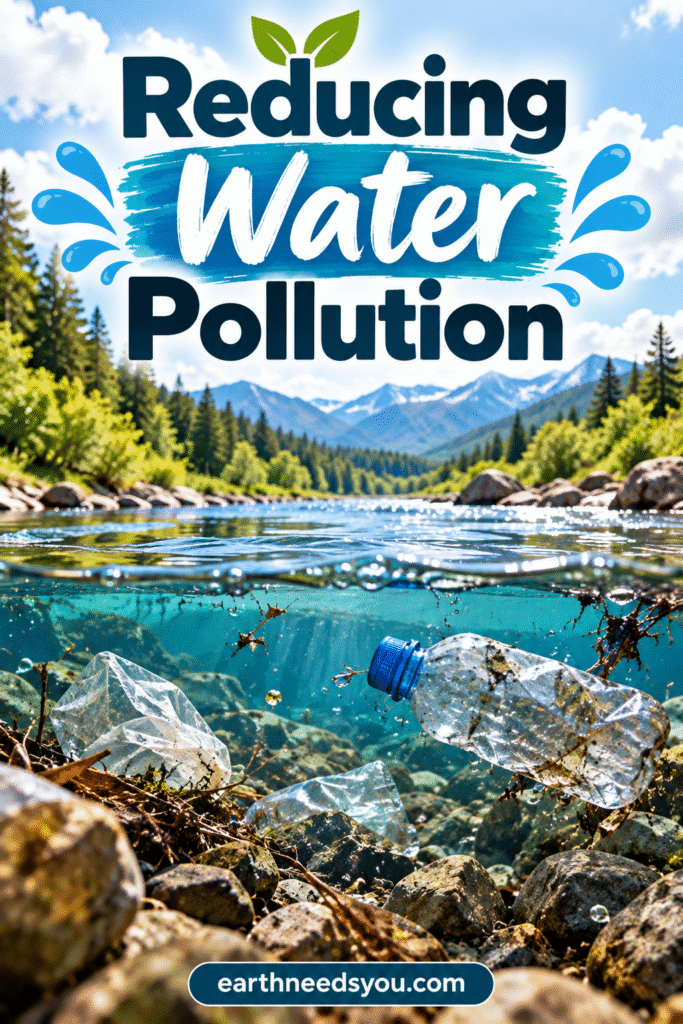
Water preservation isn’t only about how much water we use. It also means protecting the quality of the water we already have. A river or groundwater source may contain plenty of water, but contamination can make it unsafe or expensive to use.
Pollution reaches waterways in many ways. Some comes from an obvious source, such as an industrial discharge or sewage leak. Other pollution is more difficult to see because rain carries contaminants from streets, farms, lawns, and developed areas into nearby streams and rivers.
Common sources of water pollution include:
- Agricultural fertilizers and pesticides
- Sewage and poorly treated wastewater
- Industrial chemicals and heavy metals
- Oil and fuel
- Plastic waste and microplastics
- Household chemicals and improperly discarded medications
- Polluted stormwater runoff
Once these contaminants enter a waterway, removing them can be difficult and costly. Some pollutants can also accumulate in sediments or move downstream, affecting ecosystems far from where the contamination originally occurred.
Pollution Reduces the Water We Can Safely Use
Water quality and water availability are closely connected. When a lake, river, or groundwater source becomes contaminated, the water may require additional treatment before it can be used for drinking, agriculture, or other purposes.
Severe contamination can make a water source unsuitable for certain uses altogether.
This is why protecting water resources means paying attention to both quantity and quality. Conserving water is valuable, but protecting the water already in the environment from pollution is just as important.
Small Actions Can Protect Local Waterways
Many everyday choices can affect nearby rivers and lakes without us realizing it. Storm drains, for example, can carry rainwater and anything it picks up from streets and yards toward local waterways.
Keeping litter, oil, paint, chemicals, and other pollutants away from storm drains can make a real difference. Fertilizers and pesticides should also be used carefully so excess chemicals aren’t washed away during rainfall.
Medications and household chemicals need proper disposal as well. Rather than pouring them down a sink or flushing them, follow local disposal instructions or use an appropriate collection program when one is available.
Reducing plastic waste can help too. Plastic litter that reaches streams and rivers can travel long distances, eventually breaking into smaller pieces that are extremely difficult to remove from the environment.
Communities and Businesses Have a Larger Role
Individual actions matter, but preventing water pollution also requires effective infrastructure and responsible practices from businesses, farms, cities, and other organizations.
Wastewater treatment, stormwater management, industrial pollution controls, sustainable agricultural practices, and wetland protection can all reduce the amount of contamination entering waterways.
Restoring natural areas along rivers and streams can provide another layer of protection. Vegetated buffers can slow runoff and trap some sediment and pollutants before they reach the water.
Keeping water clean is often easier and less expensive than trying to restore a badly polluted river, lake, or groundwater supply later. Preventing pollution in the first place is an important part of protecting freshwater for the long term.
Related: Plastic is one pollutant that can travel from streets and rivers all the way to the ocean. Explore Plastic Pollution Facts and learn more about How Plastic Pollution Affects Marine Life.
Protecting Wildlife Habitats
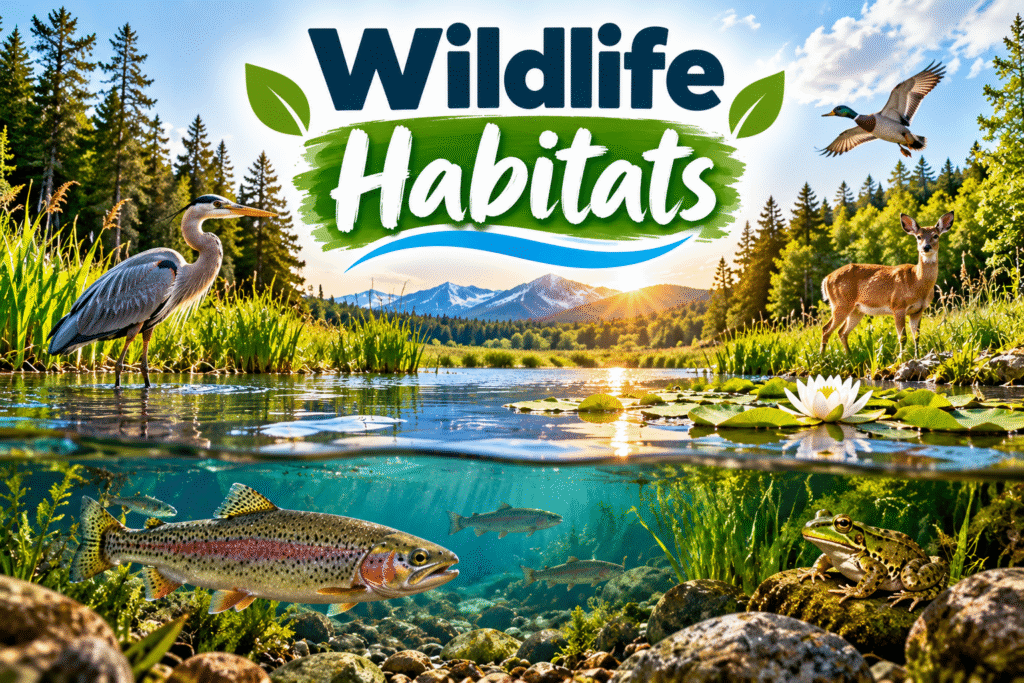
Water preservation also means protecting wildlife habitat. Rivers, lakes, wetlands, ponds, and streams provide places for animals to drink, feed, reproduce, shelter, and migrate. Even species that don’t live directly in the water may depend on freshwater ecosystems at some point in their lives.
Fish are an obvious example, but freshwater habitats also support frogs, salamanders, turtles, insects, birds, mammals, and aquatic plants. When water becomes polluted, disappears during prolonged drought, or is heavily altered, wildlife can lose much more than a source of drinking water.
Freshwater Is Essential for Breeding and Reproduction
For many animals, access to the right type of freshwater habitat is essential for reproduction.
Frogs and other amphibians often rely on ponds, wetlands, and temporary pools to lay their eggs and complete the early stages of their life cycle. Many fish need particular water temperatures, flows, gravel beds, or connected stretches of river to reproduce successfully.
Wetlands also provide nesting and feeding areas for waterfowl and other birds. When these habitats shrink or become degraded, animals may have fewer suitable places to raise their young.
Rivers Connect Wildlife Habitats
Rivers aren’t isolated bodies of water. They form long natural corridors connecting forests, wetlands, floodplains, lakes, and other habitats.
Some fish travel considerable distances through these systems to reach spawning areas. Birds and mammals also use river corridors for food, water, shelter, and movement through the landscape.
Dams, excessive water withdrawals, pollution, and other changes can disrupt these connections. Maintaining adequate water flows and protecting habitat along riverbanks can help wildlife continue moving between the places they need throughout their lives.
Water Shortages Affect Wildlife Beyond Rivers and Lakes
The effects of water scarcity don’t stop at the shoreline. Forests, grasslands, and other land habitats also depend on water to support vegetation.
When prolonged drought reduces water availability, plants may produce less food and cover for wildlife. Animals can be forced to travel farther in search of water, sometimes bringing them into closer contact with roads, farms, and populated areas.
This is one reason freshwater conservation and biodiversity are so closely connected. Protecting water sources helps support the wider landscape surrounding them.
Protecting Water Means Protecting Biodiversity
Keeping freshwater habitats healthy requires more than simply leaving enough water in a river or lake. Water quality matters too.
Reducing pollution, limiting unnecessary pesticide and fertilizer runoff, protecting native vegetation along waterways, and restoring damaged wetlands can all improve habitat for wildlife.
Individuals can contribute by conserving water, planting native species, keeping litter and chemicals out of storm drains, participating in habitat restoration, and supporting local conservation projects.
Water connects species and ecosystems in ways that aren’t always immediately visible. Protecting rivers, wetlands, lakes, and other freshwater habitats therefore helps preserve not only individual animals, but the biodiversity of entire landscapes.
Helping Communities During Droughts
Drought can put enormous pressure on communities, farms, businesses, and natural ecosystems. Climate change is increasing drought risk and severity in some regions as higher temperatures, shifting rainfall patterns, and greater evaporation reduce water availability.
Water preservation can’t prevent a drought, but it can help communities prepare for one. Using water efficiently during normal conditions leaves more flexibility when rainfall declines and rivers, reservoirs, or groundwater supplies come under stress.
Conserving Water Before a Drought Matters
Water shortages rarely begin the moment a community officially declares a drought. Reservoir levels may decline over months, soil can gradually lose moisture, and groundwater levels can fall after extended periods of low rainfall or heavy use.
That’s why conservation is valuable before an emergency begins.
Reducing leaks, improving irrigation efficiency, and avoiding unnecessary water use can reduce pressure on local supplies throughout the year. When dry conditions arrive, communities that already use water efficiently may have more options for managing limited supplies.
Communities Can Build More Resilient Water Systems
Long-term drought preparation involves more than asking households to take shorter showers.
Cities and water utilities can identify leaks in aging infrastructure, expand water reuse where appropriate, improve storage, diversify water sources, and encourage more efficient landscaping. Some communities may also use rainwater harvesting or stormwater capture as part of a broader water strategy.
Agriculture has an important role as well. More precise irrigation, soil-moisture monitoring, healthier soils, and crop choices suited to local conditions can help farms make better use of available water.
There is no single solution that works everywhere. The right approach depends on local climate, geography, water sources, infrastructure, regulations, and community needs.
Homes and Businesses Can Reduce Demand
Households can prepare for dry periods by fixing leaks, installing efficient fixtures, watering lawns and gardens carefully, and choosing plants suited to the local climate.
Businesses can look for similar opportunities on a larger scale. Efficient equipment, leak detection, process-water reuse, and better landscape irrigation can reduce demand while potentially lowering operating costs.
Making these changes before a drought becomes severe is much easier than trying to cut water use suddenly once restrictions begin.
Water Preservation Builds Drought Resilience
Severe drought can affect much more than household water use. Farmers may face reduced water allocations, wildlife habitats can shrink, wildfire conditions may worsen, and communities can experience economic disruption.
Responsible water management cannot eliminate those risks, but it can make limited supplies last longer and give communities more flexibility when conditions become difficult.
This is one of the clearest reasons why conserving water matters. Water saved during ordinary times helps reduce unnecessary pressure on rivers, reservoirs, and aquifers, strengthening a community’s ability to cope when water becomes scarce.
Economic Benefits of Water Preservation
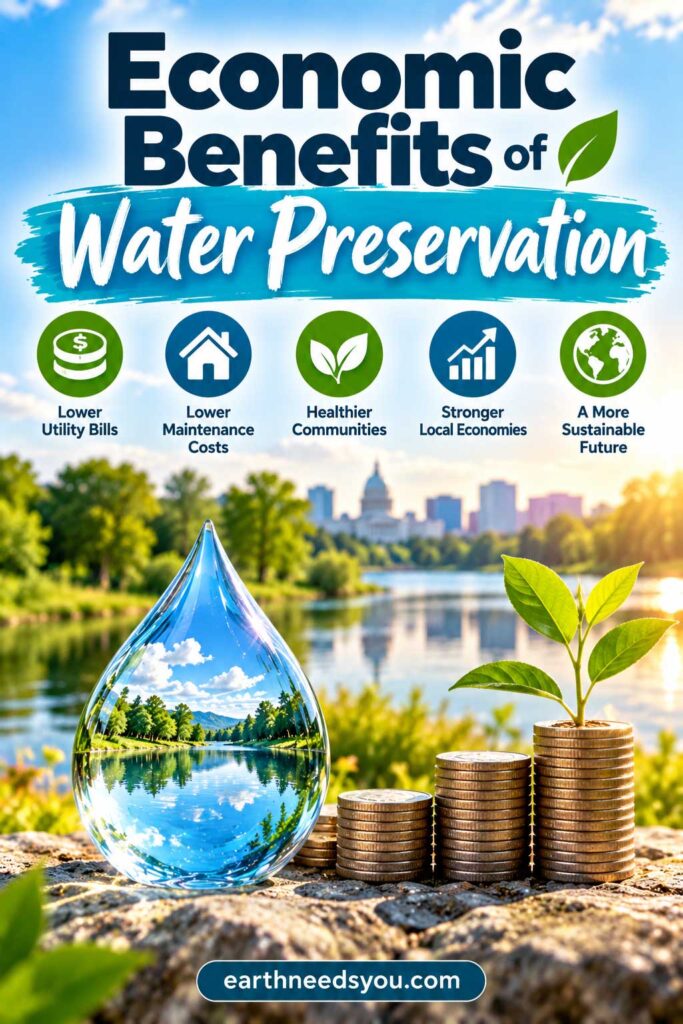
The benefits of water preservation aren’t limited to the environment. Using water efficiently can also save money for households and businesses while reducing pressure on the infrastructure communities use to supply and treat water.
The financial impact varies depending on local water rates, energy costs, infrastructure, and how water is used. In many situations, however, reducing unnecessary water consumption also means paying to pump, treat, or heat less water.
Lower Water and Energy Bills at Home
For households, the most immediate economic benefit can appear on monthly utility bills. Fixing a leaking toilet or faucet prevents water that you’re paying for from being wasted, while efficient showerheads and appliances can reduce everyday consumption.
Hot water provides an additional opportunity for savings because households may pay for both the water and the energy required to heat it. Shorter showers, efficient fixtures, and washing clothes in cold water when appropriate can reduce both types of consumption.
Not every water-saving upgrade pays for itself at the same rate, so replacing a working appliance solely to save water may not always make financial sense. But when fixtures and appliances already need replacement, efficiency is worth considering.
Businesses Can Lower Operating Costs
For businesses that use large amounts of water, even modest efficiency improvements can become meaningful over time.
Hotels, restaurants, farms, manufacturers, hospitals, and other facilities may be able to reduce expenses by detecting leaks, maintaining equipment, improving irrigation, installing efficient fixtures, or reusing water in processes where it is safe and practical.
The biggest opportunities will vary by business. A manufacturer that uses water throughout production, for example, will have very different conservation options from a small office.
Better water management can also reduce exposure to rising utility costs or restrictions in places where supplies are under increasing pressure.
Water Efficiency Can Reduce Pressure on Infrastructure
Communities spend substantial amounts of money building and maintaining reservoirs, wells, pipelines, pumping stations, drinking-water facilities, and wastewater treatment systems.
When demand grows, some systems may eventually require additional infrastructure. Improving efficiency can help communities get more use from existing systems and, under the right circumstances, postpone or reduce the scale of expensive expansions.
Preventing water loss within public infrastructure matters too. A community can encourage residents to conserve water, but repairing leaks in aging distribution systems can sometimes produce significant savings at a much larger scale.
Healthy Ecosystems Have Economic Value
Protecting natural water systems can provide economic benefits that don’t appear directly on a household water bill.
Wetlands can store floodwater and filter some pollutants. Forested watersheds can reduce erosion and help protect water quality. Healthy rivers and lakes also support recreation, tourism, fisheries, agriculture, and other economic activities.
These natural benefits don’t eliminate the need for engineered infrastructure, but protecting ecosystems can complement the systems communities build to manage water.
Reliable Water Supports Local Economies
Nearly every economy depends on access to water in some way. Farms need it to produce food, manufacturers use it in production, restaurants and hotels depend on reliable water services, and many recreational businesses rely on healthy lakes and rivers.
Severe shortages or contamination can therefore create costs far beyond a higher household water bill.
This is one of the less obvious reasons why water preservation is important. Protecting reliable freshwater supplies can help households control expenses, businesses operate efficiently, and communities reduce some of the financial risks associated with scarcity, pollution, and growing water demand.
Easy Ways Everyone Can Save Water
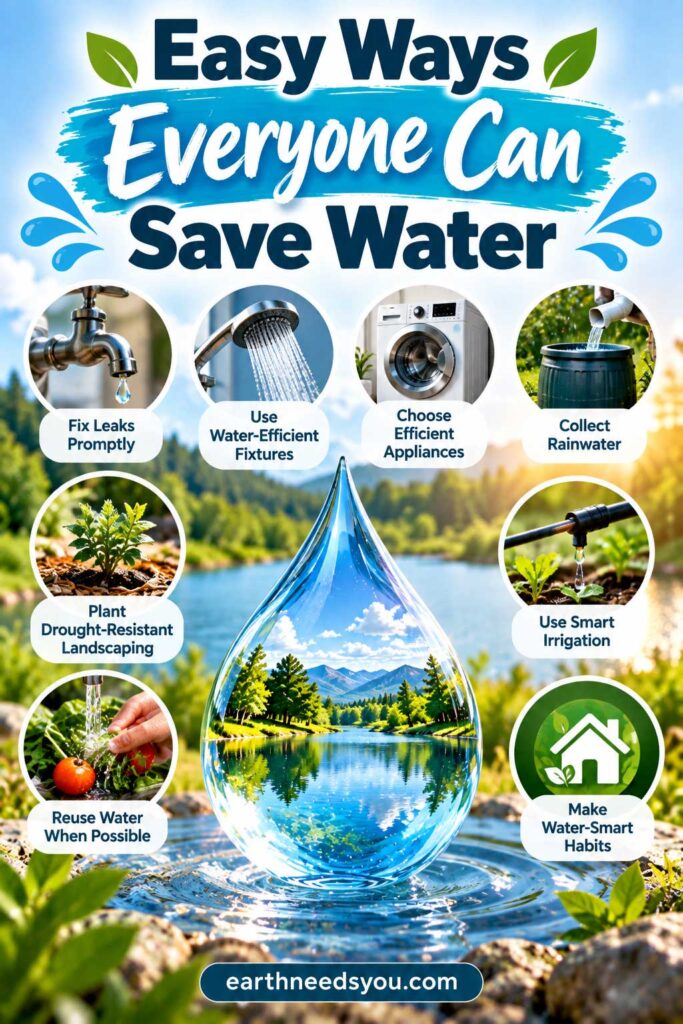
You don’t need to completely change your lifestyle to save water. Some of the most effective improvements are simple habits that reduce waste without making everyday life less convenient.
Start with the areas where your household uses water most often, then look for small improvements you can maintain over time.
1. Fix Leaks Promptly
A dripping faucet may not look serious, but water lost around the clock adds up. Leaking toilets can waste even more because they sometimes run without being noticed.
Check faucets, toilets, outdoor spigots, and visible plumbing periodically. If your water bill suddenly increases without an obvious reason, an unnoticed leak may be worth investigating.
2. Choose Water-Efficient Fixtures
When it’s time to replace a showerhead, faucet, toilet, washing machine, or dishwasher, consider a water-efficient model.
In the United States, the WaterSense label can help identify certain products designed to use less water while meeting performance standards.
There’s no need to replace every working fixture immediately. Upgrading when something already needs replacement can be a practical and economical way to gradually reduce household water use.
3. Take Slightly Shorter Showers
You don’t have to turn every shower into a race. Simply cutting a few unnecessary minutes can reduce both water use and the energy needed to heat that water.
A water-efficient showerhead can reduce consumption further without requiring you to change your routine significantly.
4. Don’t Leave the Tap Running
Water running while you brush your teeth, shave, scrub dishes, or perform another task isn’t doing anything useful.
Turning off the faucet until you actually need the water is one of the easiest habits to adopt, and it costs nothing.
5. Run Full Loads
Dishwashers and washing machines generally make better use of water when they’re run with appropriately full loads rather than repeatedly washing just a few items.
Use the machine’s eco or water-saving settings when they are suitable, and follow the manufacturer’s recommendations for loading and operation.
6. Reuse Water When It Makes Sense
Not every household task requires fresh drinking water.
For example, clean water collected while waiting for a shower to warm up can be used for certain cleaning tasks or watering suitable plants. You can also collect water used to rinse fruits and vegetables for another suitable use instead of sending it straight down the drain.
What can safely be reused depends on what the water contains and how you intend to use it.
Related: See our complete guide to 10 Ways to Reuse Water for more practical examples and important safety considerations.
7. Water Your Garden More Efficiently
Outdoor watering can account for a substantial share of household water use, particularly during hot weather.
Watering when evaporation is lower, directing water toward plant roots, adding mulch, and checking soil moisture before irrigating can help avoid unnecessary watering.
Drip irrigation can also be useful for delivering water directly to plants instead of spraying large areas.
8. Grow Plants Suited to Your Climate
Plants adapted to local growing conditions generally require less intervention once established.
Native and drought-tolerant plants can be particularly useful in water-conscious landscapes, although “native” doesn’t automatically mean a plant never needs irrigation.
Choosing the right plant for the right location can reduce watering while creating useful habitat for local wildlife.
9. Collect Rainwater Where Appropriate
A rain barrel or other collection system can capture water from a roof for later outdoor use.
Depending on local conditions and regulations, collected rainwater may be useful for gardens and landscaping, reducing the need to use treated drinking water outdoors.
Before installing a system, check local rules and make sure stored water is managed properly to prevent mosquitoes and contamination.
10. Pay Attention to Your Outdoor Water Use
Overwatering lawns and gardens can waste large amounts of water without benefiting plants.
Check sprinklers regularly to make sure they’re watering vegetation rather than sidewalks or driveways. Adjust irrigation after rainfall, repair broken sprinkler heads, and avoid watering automatically when the soil is already moist.
If part of your lawn struggles every summer and requires constant irrigation, consider whether that area could be replaced with native plants, mulch, groundcover, or another lower-water landscape.
Small Changes Add Up
The goal of water preservation isn’t to stop using water. It’s to stop wasting it.
Fixing leaks, choosing efficient fixtures, changing a few everyday habits, and being more thoughtful about outdoor watering can reduce household demand without dramatically changing your routine.
These actions become even more meaningful when they’re adopted across neighborhoods and communities. Sustainable water use starts with recognizing where water is being wasted and finding practical ways to use it more efficiently.
Frequently Asked Questions
Why is water preservation important?
Water preservation helps keep freshwater clean and available for people, agriculture, wildlife, and ecosystems. It can also reduce unnecessary demand on rivers and groundwater, improve drought resilience, and reduce some of the energy required to supply and heat water.
What is the difference between water preservation and water conservation?
The terms are often used interchangeably, but there is a slight distinction. Water conservation generally focuses on using water efficiently and reducing waste, while water preservation also includes protecting rivers, lakes, wetlands, and groundwater from pollution, overuse, and environmental damage.
Why is freshwater a limited resource?
Most of Earth’s water is saltwater. Freshwater represents only a small portion of the planet’s total water, and much of it is stored in glaciers, ice caps, or underground. That leaves a relatively small amount of freshwater readily available in rivers, lakes, and other accessible sources—and it isn’t distributed evenly around the world.
How does saving water help the environment?
Using water efficiently can reduce pressure on rivers, reservoirs, and groundwater while leaving more water available for ecosystems. Saving hot water can also reduce household energy use, while broader water preservation efforts help protect wetlands and wildlife habitats.
Can conserving water lower my utility bills?
It can. Households that pay for water may reduce their bills by using less, while reducing hot-water consumption can also lower energy costs. The actual savings depend on local utility rates, household water use, and the improvements being made.
What are the easiest ways to save water at home?
Start by fixing leaks and avoiding unnecessary running water. Taking slightly shorter showers, running full loads in dishwashers and washing machines, choosing efficient fixtures when replacements are needed, and watering gardens carefully can also reduce household water use.
How does climate change affect freshwater supplies?
Climate change affects freshwater differently depending on the region. Higher temperatures can increase evaporation, while changing precipitation patterns can alter when and where water is available. Some regions are expected to experience greater drought risk, while others may face heavier rainfall and flooding. These changes can make careful water management increasingly important.
Final Thoughts: Why Preserving Water Matters
Understanding why water preservation is important comes down to recognizing how much we depend on freshwater. We need it for drinking, food production, sanitation, energy, businesses, and healthy ecosystems, yet usable freshwater is not unlimited.
Protecting freshwater takes action at several levels. Households can reduce unnecessary water use, farmers and businesses can improve efficiency, communities can repair infrastructure, and governments can protect watersheds and manage supplies responsibly.
What matters most is using water wisely while keeping rivers, lakes, wetlands, and groundwater clean and healthy.
You don’t have to make dramatic changes overnight. Fixing a leak, wasting less water, choosing efficient fixtures, protecting local waterways, and reusing water safely are all practical places to start.
Preserving water today helps keep this essential resource available for people and nature tomorrow.
Continue Exploring Water & Environmental Solutions
Want to learn more about protecting freshwater and reducing environmental pollution? These guides explore practical solutions and some of the biggest challenges affecting water and ecosystems:
- 10 Ways to Reuse Water — Discover practical ways to reuse water around your home and garden instead of letting it go to waste.
- How Can We Prevent or Reverse Desertification? — Learn how water management, healthier soils, vegetation, and land restoration can help protect vulnerable landscapes.
- 5 Ways Individuals Can Help Fight Desertification — Simple actions individuals can take to support healthier soil, conserve water, and reduce land degradation.
- How Plastic Pollution Affects Marine Life — See how plastic waste affects aquatic ecosystems and the wildlife that depends on them.
- Can Plastic Pollution Be Stopped? — Explore approaches that could reduce plastic waste before more of it reaches rivers and oceans.



0 Comments