

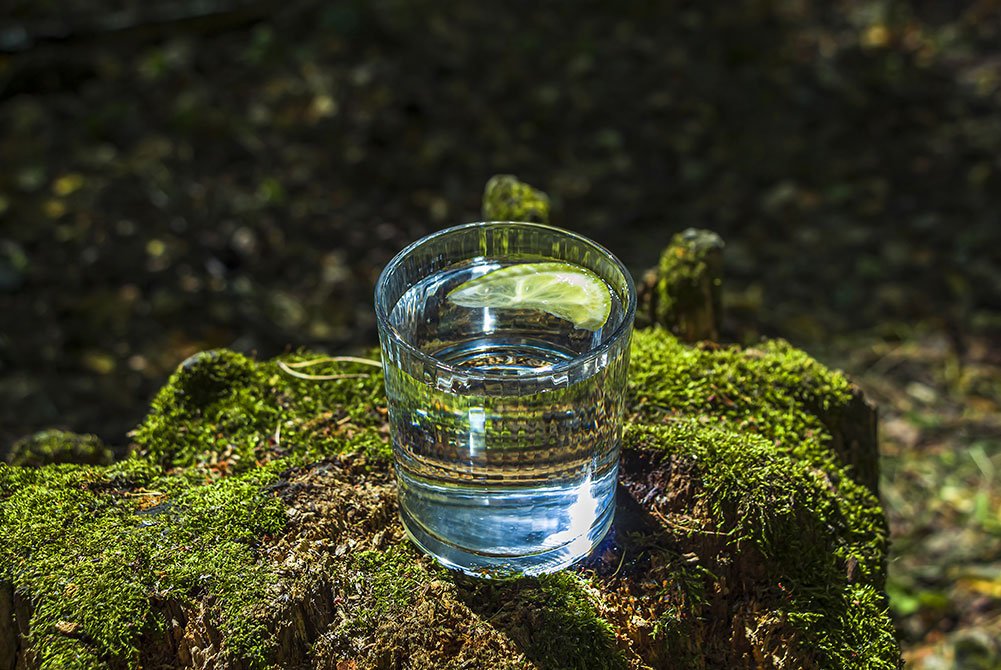
Freshwater is one of Earth’s most valuable resources, yet many households waste large amounts of water every day without realizing it. Learning how to reuse water safely is an easy way to reduce waste, lower your water bill, and make your home more sustainable.
Many everyday activities create water that still has value and can be reused for non-drinking purposes. From collecting rainwater for your garden to saving leftover cooking water, these simple practices help conserve freshwater resources while making your home more sustainable.
In this guide, you’ll discover 10 practical ways to reuse water at home, including safe reuse methods, water conservation benefits, and simple habits that can help you save water every day.
Why Reusing Water Matters
Water may seem like an unlimited resource when it flows from your faucet, but usable freshwater is actually limited. Although water covers most of Earth’s surface, only a small percentage is freshwater that can be used for human needs. As populations grow and climate patterns continue to change, responsible water use and conservation are becoming increasingly important.
Learning how to reuse water helps reduce the amount of freshwater we take from rivers, lakes, and underground aquifers. Water reuse also lowers the energy needed to pump, treat, and transport water to homes and communities.
Combining water reuse with other conservation habits can significantly reduce household water waste.
By making small changes at home, households can reduce their environmental impact while protecting valuable freshwater resources. Reusing just a few gallons of water each day can add up to thousands of gallons saved every year.
Benefits of Reusing Water
1. Reduces Water Waste
One of the biggest advantages of water reuse is preventing usable water from being wasted. Water that would normally go down the drain can often serve another purpose, such as watering plants, cleaning outdoor areas, or flushing toilets.
Simple habits like collecting rainwater, saving leftover kitchen water, and reusing household greywater can help reduce unnecessary water waste.
2. Lowers Household Water Bills
Using less fresh water can reduce household consumption and may help lower water costs. Small changes, such as collecting shower warm-up water or reusing cooking water, can make a noticeable difference over time.
3. Protects Natural Ecosystems
Excessive freshwater extraction can put pressure on rivers, wetlands, forests, and wildlife habitats. Practicing water conservation helps protect natural ecosystems and the plants and animals that depend on freshwater sources.
4. Supports Sustainable Living
Water reuse is an important part of a more sustainable lifestyle. Along with reducing energy use, recycling materials, composting, and growing food responsibly, reusing water helps create a more environmentally friendly home.
5. Builds Water Security
Periods of drought and limited rainfall can place stress on local water supplies. Homes that practice water conservation are better prepared by reducing unnecessary water consumption and using resources more efficiently.
Small actions, when repeated by millions of households, can make a meaningful difference in protecting freshwater resources for future generations.
1. Collect and Reuse Rainwater

Rainwater harvesting is one of the easiest and most effective ways to reuse water at home. Instead of allowing rain that falls on your roof to flow into storm drains, you can collect and store it for gardening, cleaning, and other household uses.
The amount collected depends on your roof size and local rainfall. Larger rainwater collection systems can store hundreds or even thousands of gallons, creating a reliable water source for homeowners who want to reduce waste and live more sustainably.
Rainwater is naturally soft and often contains fewer dissolved minerals than many household water sources, making it useful for gardening and outdoor purposes.
How to Use Collected Rainwater
Water Your Garden
One of the most common ways to reuse collected rainwater is for watering plants. Many gardeners prefer rainwater because it is naturally soft and does not contain the chlorine commonly found in some municipal water supplies.
Collected rainwater can be used for vegetable gardens, flower beds, trees, shrubs, container plants, and indoor plants when properly filtered. Using rainwater in your garden helps reduce dependence on tap water while providing plants with a natural source of moisture.
Wash Outdoor Items
Rainwater can also be reused for many outdoor cleaning tasks. Instead of using treated drinking water, collected rainwater can help wash cars, clean patios, rinse gardening tools, and remove dirt from outdoor furniture.
These simple changes help conserve freshwater resources by saving treated water for more important uses.
Flush Toilets
With the proper filtration, storage, and plumbing system, harvested rainwater can be used for toilet flushing. Since toilets are one of the largest sources of indoor household water use, using rainwater for this purpose can significantly reduce freshwater consumption.
Fill Decorative Ponds and Water Features
Collected rainwater can also be used for outdoor ponds, fountains, and other landscaping features. Reusing rainwater for decorative purposes reduces the need to use additional tap water while supporting a more sustainable yard.
Rainwater Collection Tips
To collect rainwater safely, use covered containers to prevent mosquitoes, leaves, and debris from entering the storage system. Installing basic filters and cleaning your collection containers regularly will help maintain better water quality.
It is also a good idea to avoid collecting the first rainfall after a long dry period because it may contain dust, roof debris, and other pollutants. Most importantly, untreated rainwater should never be used for drinking.
Rainwater harvesting is a simple way to reuse water, reduce household waste, and protect freshwater resources. Even a basic rain barrel can collect hundreds of gallons of water each year while helping your garden stay healthy and reducing your environmental impact.
2. Reuse Water From Washing Fruits and Vegetables
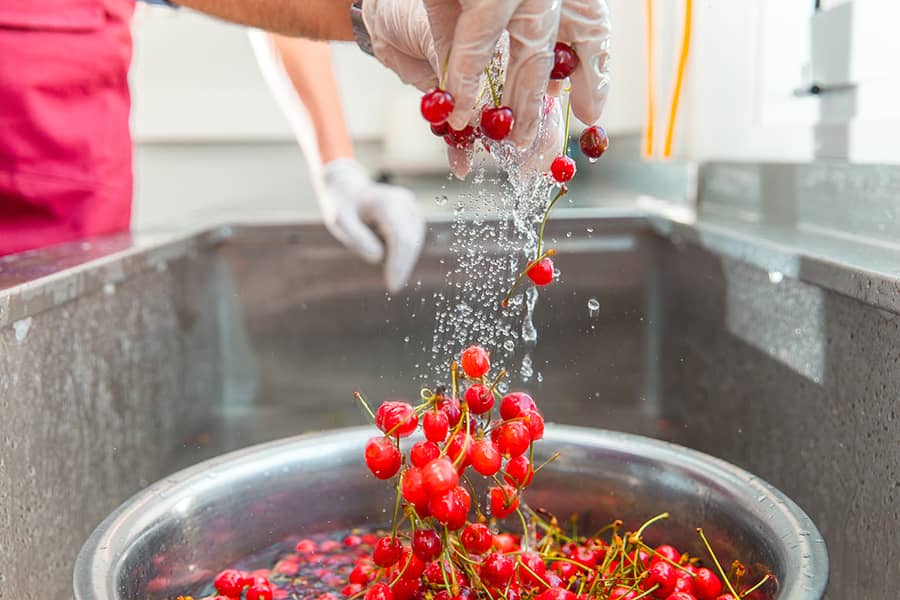
Many people rinse fruits and vegetables under running water before eating or cooking them, but that water does not have to go straight down the drain. Instead, it can be collected and reused for several purposes around your home.
The water used to wash produce is usually suitable for simple reuse around the home, especially when it does not contain soap, cleaning products, or excessive dirt. A simple habit like placing a bowl under your colander while washing fruits and vegetables can capture several gallons of reusable water each week.
This small change is an easy way to reuse water at home while reducing unnecessary waste from everyday kitchen activities.
Ways to Reuse Produce-Washing Water
Water Houseplants
Leftover water from rinsing fruits and vegetables can be used to water many houseplants. It may contain small amounts of natural minerals and organic particles that can provide additional nutrients for plants.
You can use it for indoor plants, herb gardens, flower pots, and outdoor containers. However, avoid using water that contains spoiled food particles, excessive dirt, or anything that could attract pests.
Water Your Outdoor Garden
Produce-washing water can also be collected and used in vegetable gardens, flower beds, and landscaping areas. This reduces your dependence on fresh tap water while providing plants with additional moisture.
When combined with other sustainable gardening practices, reusing kitchen water can help create a more water-efficient garden.
Add It to Compost
If the water contains small amounts of organic material, it can be added to a compost pile or compost bin. The moisture helps support decomposition and keeps compost from becoming too dry.
Reusing this water is another simple way to reduce household waste and make better use of resources you already have.
Clean Outdoor Areas
Water from rinsing produce can also be reused for simple outdoor cleaning tasks, such as rinsing gardening tools, cleaning outdoor containers, or washing dirt from patios and walkways.
These small reuse habits help conserve treated water for situations where clean drinking water is actually needed.
Tips for Safe Reuse
To reuse produce-washing water effectively, collect it in a clean container immediately after washing and use it relatively soon rather than storing it for long periods.
Avoid reusing water that contains bleach, detergents, chemical cleaners, or large amounts of salt. These substances can harm plants, soil, and the environment.
This simple kitchen habit turns an everyday activity into an easy water conservation practice. Over time, collecting and reusing produce-washing water can help reduce household water waste and support a more sustainable lifestyle.
3. Reuse Cooking Water Instead of Throwing It Away

Cooking often uses more water than we realize, but much of that water does not need to be wasted. Water from boiling vegetables, pasta, potatoes, or grains can often be reused instead of being poured down the drain.
By saving cooking water, you can reduce household waste and make better use of a resource that has already been collected, heated, and used. This simple habit is another practical way to reuse water at home while creating a more sustainable kitchen.
Ways to Reuse Cooking Water
Water Plants With Vegetable Cooking Water
Water used to boil vegetables can contain small amounts of minerals and nutrients released during the cooking process. Once cooled, this water can be used for outdoor plants, flowers, and gardens.
Vegetable cooking water may contain small amounts of minerals released during cooking.
However, avoid using cooking water that contains large amounts of salt, butter, oil, or heavy seasoning because these ingredients can negatively affect soil quality and plant health.
Use Pasta Water in Recipes
Pasta water is one of the easiest types of cooking water to reuse. The starch released from pasta during boiling can help improve the texture and flavor of many recipes.
Instead of throwing it away, you can use pasta water for thickening sauces, adding moisture to homemade bread, improving soups, or creating richer pasta dishes.
This simple practice reduces kitchen waste while helping you get more value from ingredients you already used.
Make Homemade Soup or Broth
Vegetable cooking water can also become a flavorful base for soups, sauces, and broths. Instead of losing the nutrients and flavors left behind after cooking, you can transform leftover water into another useful ingredient.
This is an easy way to support sustainable cooking while reducing unnecessary waste.
Soak Dried Foods
Some types of cooking water can be reused when preparing dried foods such as beans, lentils, and grains. Using saved water for soaking can reduce the need for additional fresh water during meal preparation.
Safety Tips for Reusing Cooking Water
Not all cooking water should be reused. Always allow water to cool before using it on plants, and avoid using salty or heavily seasoned water because excess salt can damage soil and plant roots.
Store leftover cooking water in clean containers and use it relatively soon to prevent bacterial growth.
Saving cooking water is a simple example of how sustainable habits can fit into everyday life. A small change in the kitchen can help conserve water, reduce waste, and encourage more responsible resource use.
4. Capture and Reuse Shower Warm-Up Water
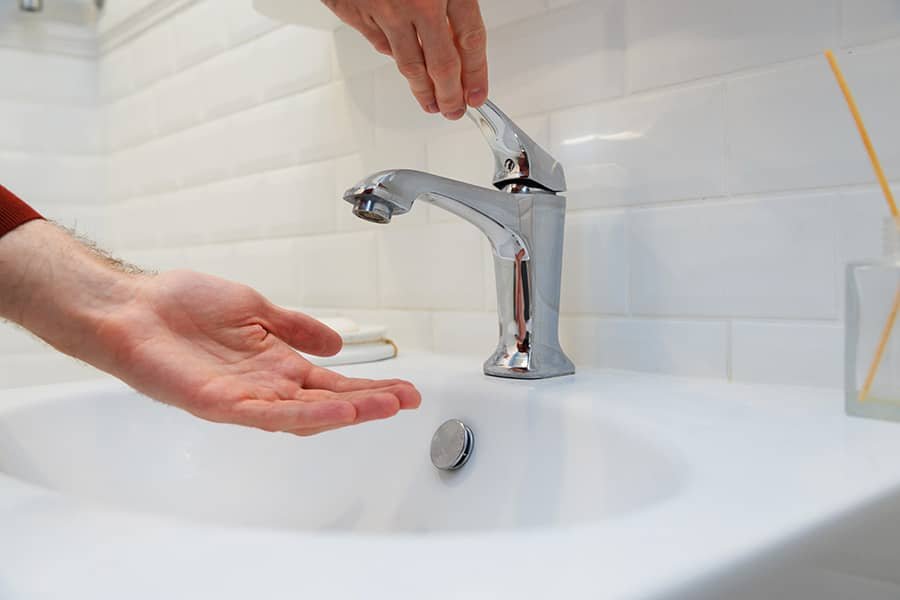
Many people waste several gallons of water every day while waiting for the shower to reach the desired temperature. This clean water flows down the drain unused, even though it can easily be collected and reused for other purposes around the home.
A simple solution is placing a bucket or container under the shower stream while the water warms up. Once the shower reaches the right temperature, the collected water can be used for plants, cleaning, flushing toilets, and other household tasks.
This small habit is an easy way to reuse water at home and reduce unnecessary waste from your daily routine.
Ways to Reuse Shower Warm-Up Water
Water Plants
The water collected before your shower begins is usually clean and can be reused for many plants around your home. It can help reduce the amount of fresh tap water needed for gardening.
Use collected shower warm-up water for houseplants, flower gardens, outdoor plants, and trees or shrubs.
This is one of the simplest ways to reuse water because it requires no special equipment or treatment.
Flush Toilets
Instead of using fresh drinking water every time you flush, collected shower warm-up water can be poured into the toilet tank or bowl when needed.
Since toilet flushing represents a significant portion of household water use, reusing water for this purpose can help reduce unnecessary freshwater consumption.
Clean Your Home
Saved shower warm-up water can also be used for everyday cleaning tasks. It can help with mopping floors, washing sinks, cleaning outdoor areas, or rinsing cleaning tools.
Using collected water for these tasks allows treated drinking water to be saved for uses where it is truly needed.
Use for Pets When Appropriate
The collected water can also be used for outdoor cleaning tasks as long as it has not come into contact with soaps, shampoos, or other chemicals.
Always make sure the water is fresh, clean, and free from any chemicals before adding it to a pet’s bowl.
How Much Water Can You Save?
The amount of water wasted while waiting for hot water depends on your plumbing system, the distance between your water heater and shower, and your household habits.
In some homes, several gallons can be wasted every time someone takes a shower. By collecting this water instead of sending it down the drain, a family can save hundreds or even thousands of gallons each year.
Additional Ways to Reduce Shower Water Waste
Capturing warm-up water is even more effective when combined with other water conservation habits. Taking shorter showers, repairing leaks, installing efficient fixtures, and turning off the water while applying soap or shampoo can further reduce household water use.
Capturing shower warm-up water is a simple, low-cost solution that turns an everyday habit into a more sustainable practice. Small changes like this can make a meaningful difference when combined with other ways to conserve water.
5. Reuse Aquarium Water for Plants
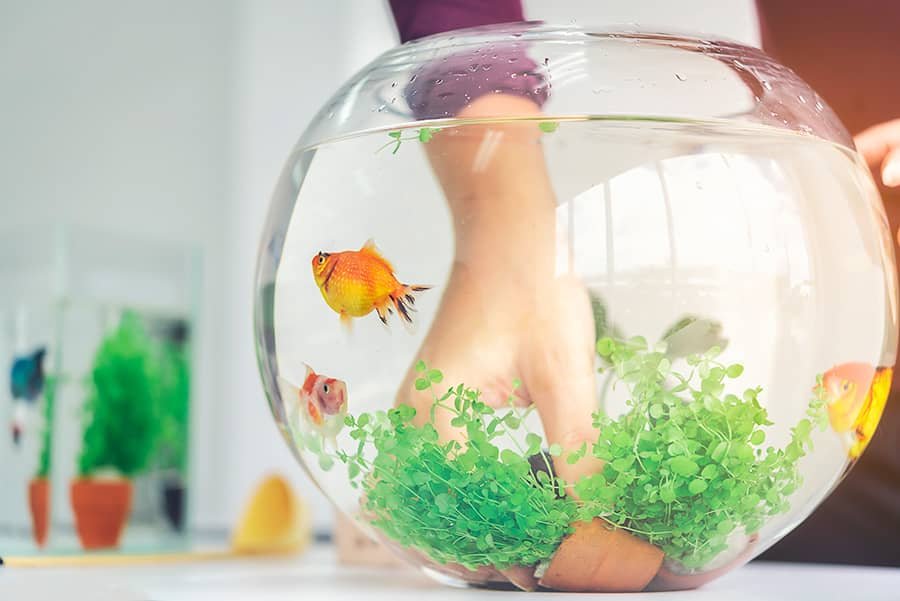
If you have a freshwater aquarium at home, the water removed during regular tank cleaning does not need to be wasted. Aquarium water contains natural nutrients created from fish waste and organic matter, making it a valuable resource that can be reused for plants and gardens.
Instead of pouring old aquarium water down the drain, you can give it a second purpose by using it to nourish plants while reducing household water waste.
Why Aquarium Water Benefits Plants
Fish tanks naturally develop a nutrient-rich environment. As fish produce waste, beneficial bacteria break down organic material and create nutrients that plants can use.
Used aquarium water may contain nitrogen compounds, phosphorus, potassium, and other trace minerals that support plant growth. Because of these nutrients, aquarium water can act like a mild natural fertilizer when used correctly.
Ways to Reuse Aquarium Water
Water Indoor Plants
Aquarium water can be used to water many common houseplants, including tropical plants, ferns, pothos, peace lilies, and spider plants.
Replacing some of your regular watering with aquarium water can provide plants with additional nutrients while helping you reuse water at home.
Fertilize Your Garden
Outdoor plants can also benefit from aquarium water. It can be used in vegetable gardens, flower beds, shrubs, and trees to provide moisture while returning nutrients back into the soil.
This simple practice supports sustainable gardening by creating a small recycling system where resources are reused instead of discarded.
Support a Natural Water Cycle
Using aquarium water creates a simple example of nature-inspired recycling:
In a simple natural cycle, fish waste is broken down by bacteria, creating nutrients that plants can use while the water is reused.
This cycle reduces waste and shows how everyday household systems can become more sustainable.
Important Safety Tips
Before reusing aquarium water, make sure it is suitable for plants. Only use water from freshwater aquariums, as saltwater can damage soil and plants.
Avoid using aquarium water that contains medications, harmful chemicals, or treatments that may negatively affect plant health. It is also best to apply the water directly to the soil rather than spraying it onto edible leaves.
Like any water source, aquarium water should be used appropriately to avoid overwatering plants.
A Small Habit With a Big Impact
Aquarium water reuse is a simple example of how everyday household activities can become more sustainable. Instead of viewing used water as waste, we can recognize its remaining value and find ways to reuse it.
Whether you have a small fish tank or a larger aquarium, recycling this water helps conserve resources, reduce waste, and support healthier plants.
6. Reuse Water From Washing Machines (Greywater Recycling)

Every load of laundry uses a significant amount of water, and much of it can potentially be reused instead of being sent directly into the wastewater system. Water from washing machines is known as greywater, and when handled correctly, it can become a valuable resource for outdoor uses.
Greywater is different from blackwater, which includes wastewater from toilets and may contain harmful pathogens. Laundry water can often be reused for non-drinking purposes when appropriate precautions are taken.
Reusing washing machine water is another practical way to reuse water at home, reduce freshwater consumption, and create a more sustainable household.
Ways to Reuse Washing Machine Water
Water Lawns and Landscaping
Laundry greywater can provide additional moisture for outdoor areas such as lawns, trees, shrubs, decorative plants, and flower gardens.
Many households use greywater systems to redirect washing machine water into irrigation areas, reducing the need for fresh tap water during dry periods.
However, because laundry water contains detergents, it is important to choose products that are safe for plants and soil.
Flush Toilets
With a properly designed greywater system, washing machine water can be reused for toilet flushing. This can reduce the amount of treated drinking water used inside the home and help lower overall household water consumption.
Clean Outdoor Areas
Depending on the detergent and products used, laundry water may also be suitable for certain outdoor cleaning tasks, such as washing patios, cleaning outdoor equipment, or rinsing garden tools.
Using reused water for these activities helps save fresh water for drinking and other essential purposes.
How to Reuse Laundry Water Safely
Because laundry greywater contains detergents and cleaning products, it requires more care than rainwater or produce-washing water.
Using biodegradable, low-salt, and phosphate-free detergents can make greywater safer for plants and the environment. Avoid reusing laundry water that contains bleach, strong disinfectants, harsh fabric softeners, or heavy chemical stain removers because these products may damage soil and plants.
Greywater should also be used relatively quickly rather than stored for long periods, as bacteria can multiply over time. Before installing a permanent greywater system, check local regulations because requirements vary by location.
Benefits of Laundry Greywater Recycling
Reusing washing machine water can help reduce household freshwater consumption, lower water costs, support landscaping during dry periods, and reduce the amount of wastewater sent for treatment.
A properly designed greywater system turns an everyday household activity into an opportunity for conservation. Instead of viewing used water as waste, we can recognize its remaining value and find ways to reuse it responsibly.
Homes can use greywater systems to redirect water from showers, sinks, and washing machines for approved non-potable uses.
7. Reuse Water From Dehumidifiers and Air Conditioners
Many homes collect water from appliances such as dehumidifiers and air conditioners, but this condensation water is often emptied directly into sinks or drains. Instead of wasting it, you can reuse it for several non-drinking purposes around your home.
This collected water is created through condensation. As warm, humid air cools inside the appliance, moisture turns into water droplets that collect in a reservoir or drain system.
Although dehumidifier and air conditioner water is not suitable for drinking, it can still be useful for many everyday tasks and is another simple way to reuse water at home.
Ways to Reuse Dehumidifier Water
Water Outdoor Plants
Dehumidifier water can be used for many outdoor plants, including trees, shrubs, flower gardens, and ornamental plants.
Because condensation water contains very few minerals, it should not completely replace nutrient-rich water sources such as rainwater or properly balanced plant watering. However, it can still provide moisture while reducing the need for fresh tap water.
Fill Toilet Tanks
Collected condensation water can also be used for toilet flushing. Adding it to toilet tanks helps reduce the amount of treated drinking water used for a purpose that does not require drinking-quality water.
Clean Household Items
Condensation water can be reused for simple cleaning tasks around the home, including washing outdoor equipment, cleaning floors, rinsing gardening tools, and other general household chores.
Using collected appliance water for these tasks helps conserve freshwater resources.
Use With Steam Appliances
Because it contains fewer minerals than tap water, some people use it for certain appliances such as steam irons. Always follow the manufacturer’s recommendations.
Always check the manufacturer’s instructions before using collected water in any appliance, as recommendations can vary depending on the device.
Can You Drink Dehumidifier or Air Conditioner Water?
No. Even though condensation water may appear clean, it should not be used as drinking water.
During collection, the water can come into contact with dust, mold spores, bacteria, metals from internal components, and other contaminants inside the appliance. It is best reserved for non-potable uses such as cleaning, gardening, and other household tasks.
Tips for Safe Collection
To reuse appliance condensation water safely, empty collection containers regularly and clean them often to prevent buildup. Store collected water in clean, covered containers and avoid allowing it to sit for long periods.
Keeping collection containers free from dirt and debris will help maintain better water quality for reuse.
A Simple Way to Reduce Household Waste
Reusing water from dehumidifiers and air conditioners is an easy sustainability upgrade that requires no major changes. Instead of treating condensation as waste, you can give it a second purpose and reduce unnecessary water consumption.
Small habits like this, combined with rainwater collection and greywater reuse, can help create a more water-efficient and sustainable home.
8. Reuse Water Left in Drinking Glasses and Bottles

Many households waste small amounts of drinking water every day. A half-full glass left on the kitchen counter or an unfinished bottle of water may seem insignificant, but these small amounts can add up over time.
Instead of pouring leftover drinking water down the drain, you can give it another purpose around your home. This is one of the easiest ways to reuse water at home because it requires no special equipment and can quickly become part of your daily routine.
Ways to Reuse Leftover Drinking Water
Water Houseplants
One of the simplest ways to reuse leftover drinking water is to give it to your plants. Clean water from glasses and bottles can be used for indoor plants, herb pots, balcony gardens, and flower containers.
Keeping a small watering container in your kitchen makes it easy to collect leftover water throughout the day and use it when your plants need moisture.
Add It to Pet Water Bowls
Fresh leftover drinking water can be added to pet water bowls as long as it has not been contaminated by food, beverages, cleaning products, or other substances.
Regularly replacing and refreshing pet water helps keep animals healthy while preventing unnecessary water waste.
Use It in the Garden
Instead of throwing leftover water away, collect it in a watering can and use it for outdoor plants, trees, flowers, or vegetable gardens.
This small habit reduces the amount of fresh tap water needed for gardening while helping you make better use of water that has already been collected.
Use It for Cleaning
Small amounts of leftover drinking water can also be useful for simple cleaning tasks around the home. You can use it for wiping counters, cleaning sinks, rinsing reusable containers, or washing small household items.
These small actions may seem minor, but they contribute to a more sustainable approach to everyday resource use.
Create a Kitchen Water Collection Habit
Creating a simple routine can help prevent unnecessary water waste. Keep a dedicated container near your kitchen sink where you can collect unused drinking water throughout the day. Later, use the collected water for plants, cleaning, or other appropriate household tasks.
Remember to empty and rinse the container regularly to keep it clean.
Why Small Actions Matter
Water conservation does not always require expensive equipment or major lifestyle changes. Everyday habits, repeated consistently, can create meaningful environmental benefits.
A single glass of leftover water may not seem important, but when millions of households make the same small change, the combined impact can help reduce unnecessary water waste and protect freshwater resources.
9. Reuse Water From Ice Cubes and Melted Ice
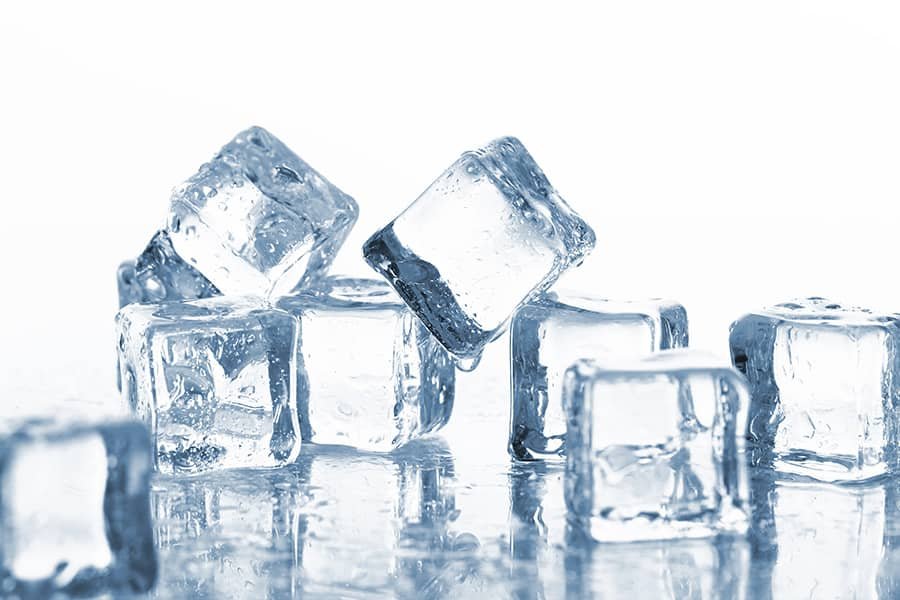
Ice cubes and melted ice are often treated as waste, but the water they produce can easily be reused around your home. Whether leftover ice melts in a glass, an ice tray, or a cooler, this water still has value and can serve another purpose.
Instead of pouring melted ice down the sink, consider collecting it and giving it a second life. Reusing melted ice is a simple way to reuse water at home while reducing unnecessary waste.
Ways to Reuse Melted Ice Water
Water Plants
Melted ice water from clean drinking water is generally safe to use for plants. It can be added to houseplants, herb gardens, flower pots, and outdoor plants.
For sensitive plants, allow very cold water to warm closer to room temperature before watering. This small habit can help reduce the amount of fresh tap water used for plant care.
Add It to Pet Water Bowls
Clean melted ice from drinking glasses or ice trays can be added to pet water bowls as long as it has not been contaminated by food, drinks, or other substances.
Always make sure pets have fresh, clean water and avoid reusing ice water that has been sitting for long periods.
Add Moisture to Compost
Melted ice water can also be used to add moisture to dry compost piles. Proper moisture helps support the natural decomposition process and keeps compost from becoming too dry.
This is another simple way to reduce waste and make better use of resources already available in your home.
Clean Outdoor Items
Small amounts of melted ice water can be reused for outdoor cleaning tasks, such as rinsing garden tools, washing outdoor containers, or removing dirt from outdoor surfaces.
Using leftover water for these simple tasks helps conserve fresh water for more important household needs.
Reusing Cooler Ice Water
After outdoor events, picnics, or camping trips, melted ice from coolers is often discarded. However, clean cooler water can sometimes be reused for outdoor tasks such as watering plants, cleaning equipment, or washing muddy items.
Avoid reusing cooler water if it contains raw meat juices, food contamination, chemicals, or excessive dirt. Water that has come into contact with unsafe substances should be discarded properly.
A Simple Zero-Waste Kitchen Habit
Reusing melted ice is a small but practical example of sustainable living. Combined with other water-saving habits, it helps reduce unnecessary waste and encourages a more mindful approach to everyday resources.
Many sustainability improvements begin by looking at things we normally throw away and asking a simple question:
“Can this be used again?”
Small changes like reusing melted ice, collecting rainwater, and saving household water can add up over time and help protect valuable freshwater resources.
10. Reuse Water From Pools, Water Activities, and Outdoor Use

Outdoor activities often involve large amounts of water that may still have value after their original purpose is finished. From swimming pools to children’s pools and outdoor activities, some outdoor water can be reused instead of being immediately discarded.
With proper care and safety considerations, this water can support gardens, cleaning tasks, and other household needs. Finding new uses for outdoor water is another practical way to reuse water at home and reduce unnecessary waste.
Ways to Reuse Outdoor Water
Use Pool Water for Landscaping
When a swimming pool needs to be drained, the water may sometimes be reused for outdoor areas such as lawns, trees, shrubs, and decorative plants. The safest reuse method depends on the pool treatment system and local regulations.
However, pool water requires careful handling because it may contain chlorine, salt, and other chemicals. Before using it around plants, allow chemical levels to decrease and avoid using heavily treated or salty water on sensitive vegetation.
It is also important to check local recommendations and guidelines before draining large amounts of pool water onto your property.
Reuse Water From Kiddie Pools
Small children’s pools often contain water that can be reused after playtime if it remains relatively clean.
This water can be used for watering lawns, filling watering cans, cleaning outdoor toys, washing patios, or other outdoor tasks. Avoid reusing kiddie pool water if it contains excessive dirt, sunscreen, chemicals, or other contaminants.
Collect Water From Outdoor Activities
Water used during outdoor tasks can often serve another purpose before being discarded. For example, water from washing garden produce can be reused for plants, while water from cleaning gardening equipment or outdoor furniture may be suitable for other outdoor cleaning tasks.
Even small amounts of reused water can help reduce the demand for fresh water over time.
Creating a Water Reuse Mindset
The biggest change is learning to see water as a resource that can have multiple uses rather than something disposable.
Instead of:
Use → Drain → Waste
A more sustainable approach becomes:
Use → Collect → Reuse → Conserve
This simple shift can help households reduce freshwater consumption and develop more environmentally responsible habits. By finding opportunities to reuse water throughout daily life, we can make better use of one of Earth’s most valuable resources.
Frequently Asked Questions About How to Reuse Water
What are the easiest ways to reuse water at home?
The easiest ways to reuse water at home include collecting rainwater, saving leftover drinking water, reusing vegetable-washing water, collecting shower warm-up water, and using aquarium or certain household water sources for non-drinking purposes.
These simple habits require little effort and can help reduce household water waste without expensive equipment or major changes to your daily routine.
Is reused water safe for plants?
Many types of reused water are safe for plants, including rainwater, vegetable-washing water, aquarium water, cooled vegetable cooking water, and clean leftover drinking water.
However, avoid using water that contains bleach, harsh chemicals, excessive salt, or other contaminants because these substances can damage soil and harm plant health.
Can shower water be reused?
Yes, shower warm-up water can easily be collected and reused. Water collected before soap, shampoo, or cleaning products enter the water stream can be used for watering plants, flushing toilets, cleaning, and other household tasks.
More advanced shower greywater systems can also recycle used shower water, but they require proper installation and should follow local regulations.
How much water can a household save by reusing water?
The amount of water saved depends on household size, habits, and the types of reuse methods used. Simple practices such as collecting rainwater, reusing kitchen water, and recycling greywater can help save hundreds or even thousands of gallons of water each year.
Over time, these small changes can significantly reduce freshwater consumption and household water waste.
Can reused water be used for drinking?
Most reused household water should not be used for drinking unless it has gone through proper treatment and purification.
Water from sources such as dehumidifiers, air conditioners, washing machines, and showers may contain contaminants and should only be used for non-potable purposes such as gardening, cleaning, or toilet flushing.
What is greywater?
Greywater is wastewater from household activities such as showers, bathroom sinks, and washing machines. Unlike blackwater from toilets, greywater does not contain human waste.
When properly managed, greywater can be reused for irrigation, landscaping, and other non-drinking applications, helping reduce freshwater consumption.
Is collecting rainwater legal everywhere?
Rainwater harvesting laws vary depending on location. Some areas encourage rainwater collection, while others have restrictions related to water rights, climate conditions, or public water systems.
Before installing a large rainwater collection system, check local guidelines and regulations.
What is the most sustainable way to reuse water?
The most sustainable approach is combining water conservation with responsible reuse. This includes reducing unnecessary water use, collecting clean reusable water, using water appropriately, and protecting freshwater ecosystems.
Small daily habits, when practiced consistently, can help create a more sustainable relationship with one of Earth’s most valuable resources.
Final Thoughts: Every Drop Counts When We Reuse Water
Water is one of Earth’s most valuable resources, and every household has opportunities to use it more wisely. Reusing water does not require complicated technology or major lifestyle changes. Simple actions, such as collecting rainwater, saving kitchen water, and recycling greywater, can create meaningful environmental benefits.
By changing the way we think about water — from something disposable to something valuable — we can reduce waste, lower consumption, and help protect freshwater resources for future generations.
Every drop counts. The choices we make today can help protect water resources and create a more sustainable future.



0 Comments