


Desertification can feel like a problem too large for individuals to influence. It is often discussed in terms of governments, farming systems, drought, and large restoration projects. But everyday choices also influence how land, forests, water supplies, and agricultural resources are used.
Desertification happens when productive land in dry regions becomes degraded and less able to support plants, wildlife, farming, and local communities. Drought and climate change can make conditions worse, but human activities such as deforestation, overgrazing, poor farming practices, and excessive water use also play a major role.
No single person can restore an entire degraded landscape. Still, the choices millions of people make about food, water, products, gardening, and conservation can influence how land and natural resources are used.
So, what can individuals actually do to make a difference?
From conserving water and reducing food waste to supporting sustainable agriculture and local restoration projects, there are practical ways to reduce pressure on vulnerable land. Here are 5 ways individuals can help fight desertification and support healthier, more resilient landscapes for the future.
What Role Can Individuals Play in Fighting Desertification?
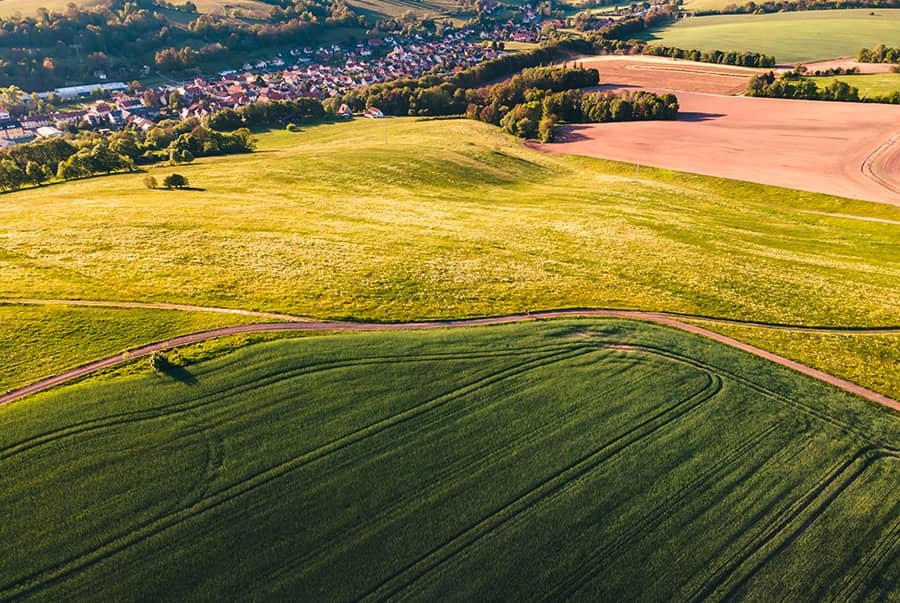
Individuals cannot stop desertification on their own, but there are practical ways they can help fight desertification by reducing demand on land, water, forests, and agricultural resources.
Decisions about food, water use, products, landscaping, and consumption all affect natural resources in some way. When demand increases, it can place greater pressure on farmland, grazing areas, forests, and limited water supplies.
That does not mean every purchase or household habit directly causes desertification. The connection is usually indirect. Wasting food, for example, increases demand for agricultural production. Excessive water use can strain local supplies, while products linked to deforestation may contribute to vegetation loss and soil degradation.
Individuals can also support healthier land by choosing responsibly produced goods, conserving water, reducing waste, volunteering with restoration projects, and supporting organizations that protect soil and ecosystems.
The goal is not to follow one perfect lifestyle. It is to reduce unnecessary pressure on natural resources while supporting farming, conservation, and restoration practices that protect land over the long term.
For a broader look at the causes, prevention methods, and large-scale solutions, see our guide on how to prevent or reverse desertification.
1. Conserve Water

Water scarcity and desertification are closely connected. When rivers, reservoirs, and groundwater supplies are used faster than they can be replenished, vegetation may struggle to survive and soil can become more vulnerable to erosion and long-term degradation.
Individuals can help by cutting unnecessary water use at home and outdoors.
Simple steps include fixing leaks, taking shorter showers, running full loads of laundry and dishes, choosing water-efficient fixtures, and avoiding overwatering lawns and gardens.
In dry climates, native or drought-tolerant landscaping can make an especially big difference because these plants are better adapted to local rainfall and usually need less supplemental irrigation.
Rainwater collection can also be useful where it is allowed. Collected rainwater may be used for gardens, outdoor cleaning, or other non-drinking purposes, reducing demand on treated water supplies.
Reusing suitable household water is another practical option. Water from rinsing produce, for example, can sometimes be redirected to plants instead of going straight down the drain.
These small changes may not seem dramatic on their own, but conserving water is one practical way individuals can help fight desertification, especially in drought-prone regions.
For more ideas, see our guides on how to conserve water and ways to reuse water.
2. Reduce Food Waste and Make Smarter Food Choices

Food production depends on land, water, energy, fertilizer, and labor. When food is wasted, all of those resources are wasted with it.
The UNEP Food Waste Index Report also highlights the scale of household and food-service waste worldwide and the importance of reducing it.
Reducing food waste can lower unnecessary pressure on farmland and water supplies. It can also reduce demand for additional agricultural production.
Simple habits make a real difference. Planning meals, storing food properly, freezing leftovers, using older ingredients first, and buying only what you are likely to eat can all help cut waste.
Composting suitable food scraps is another useful step. Instead of sending organic material to a landfill, composting can return nutrients and organic matter to the soil.
Food choices matter too. Some foods require more land and water to produce than others, so eating a varied diet and avoiding unnecessary overconsumption can reduce pressure on natural resources.
This does not mean everyone needs to follow the same diet. The goal is simply to waste less food and make choices that use land and water more efficiently.
Taken together, these habits can reduce pressure on vulnerable soils, forests, and water supplies while supporting a more sustainable food system.
3. Support Sustainable Farming and Responsible Products
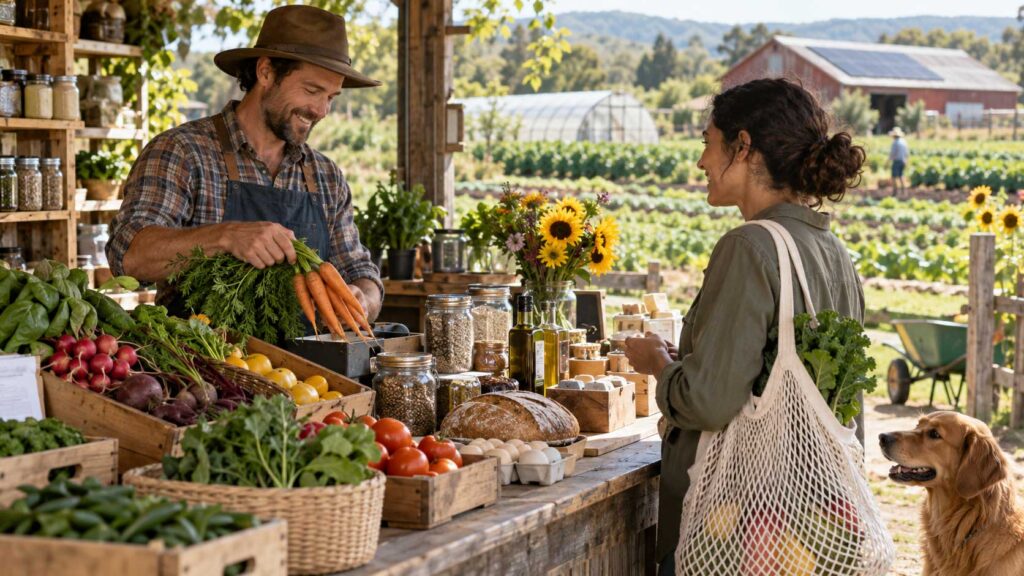
The way food and everyday products are produced can affect soil health, forests, water supplies, and the long-term condition of agricultural land.
Individuals can make a difference by choosing farms and companies that use practices designed to protect soil, reduce erosion, conserve water, and limit unnecessary deforestation.
Look for producers and products associated with responsible grazing, agroforestry, sustainable land management, soil conservation, regenerative farming, or credible environmental certification. These approaches aim to maintain productive farmland without putting as much strain on surrounding soil, water, and natural habitats.
This also applies to wood, paper, and other materials that may be linked to forest clearing. Choosing recycled products, durable goods, and responsibly sourced materials can reduce demand for practices that remove vegetation and leave soil exposed.
It is worth remembering, however, that labels are not perfect. A certification or sustainability claim does not automatically mean a product has no environmental impact.
The goal is not to find a perfect product every time. It is to make more informed choices when possible and favor producers that take soil, water, and forest protection seriously.
When enough people make those choices consistently, demand can gradually encourage better farming and sourcing practices and help fight desertification by reducing pressure on vulnerable land.
4. Plant Native Species and Support Land Restoration
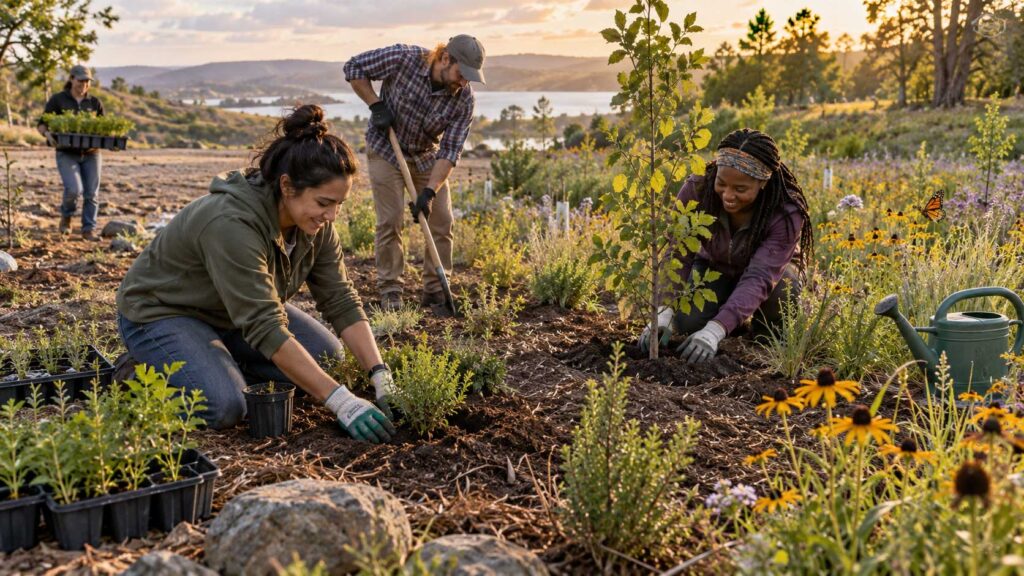
Planting the right vegetation can protect soil, improve water infiltration, and create healthier, more resilient ecosystems.
Native grasses, shrubs, and trees are often better suited to local rainfall, temperatures, and soil conditions than poorly adapted non-native species. Their roots help hold soil in place and reduce erosion, while the plants themselves provide food and habitat for insects, birds, and other wildlife.
Trees can also play an important role in storing carbon when they are suited to the local ecosystem. Our guide to carbon-storing trees looks at several species known for their carbon-storage potential.
Protecting soil from erosion is a core part of soil conservation, which includes measures to reduce erosion, compaction, salinity, and loss of soil water.
In dry regions, choosing the right species matters more than simply planting as many trees as possible. Some non-native or water-hungry plants can place extra pressure on limited water supplies or struggle to survive without frequent irrigation.
Individuals can also take part in larger restoration efforts by volunteering with local conservation groups, helping with tree or prairie planting, joining watershed projects, or supporting organizations that restore degraded land.
Before getting involved, it is worth checking whether local people are part of the project and whether the plants being used actually fit the surrounding ecosystem.
Small projects can make a difference too. Restoring a yard, roadside, community space, or damaged patch of land can improve soil cover, reduce runoff, and create better conditions for plants and wildlife.
The goal should be long-term recovery, not just a one-time planting event.
5. Support Better Land and Water Protection
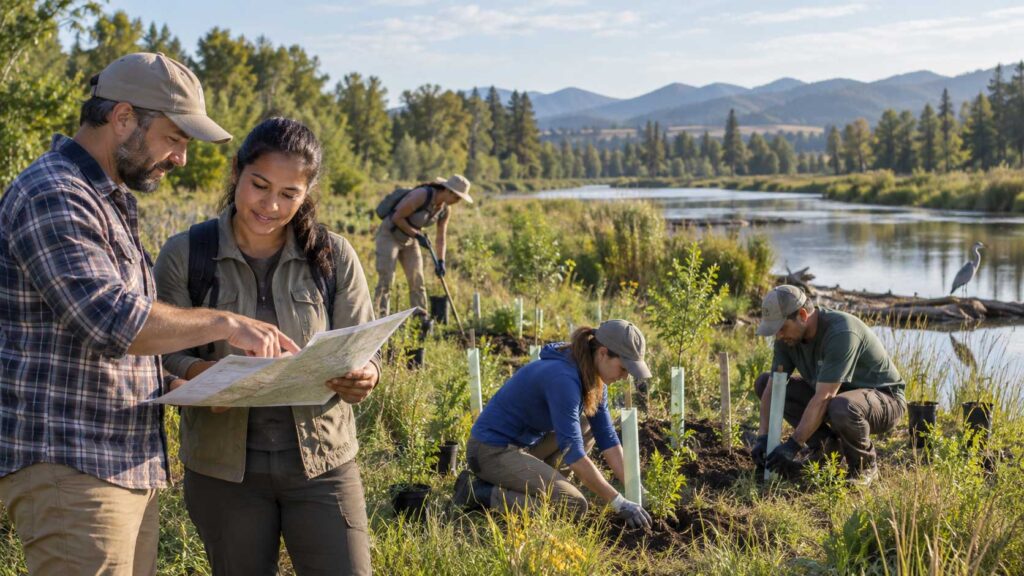
Individual choices matter, but desertification is also influenced by larger decisions about land use, agriculture, water management, development, and conservation.
People can support efforts that protect forests, grasslands, wetlands, farmland, and vulnerable water supplies. That might mean taking part in local planning discussions, supporting conservation programs, commenting on land-use proposals, or participating in other civic decisions that affect land and water.
Community involvement matters too. Watershed groups, soil conservation programs, tree-planting projects, and land-restoration organizations often rely on volunteers, donations, and public participation.
Before supporting a project, look at how it works in practice. Strong restoration efforts usually involve local residents, use plants suited to the area, protect water resources, and include a plan for maintaining the land after the initial work is finished.
The goal is not simply to plant more trees or protect more acres on paper. Lasting progress depends on addressing the reasons land is being degraded in the first place.
The UNCCD’s land degradation neutrality framework follows a similar principle: avoid degradation first, reduce ongoing damage, and reverse past degradation where possible.
By supporting better land and water management, individuals can help create the conditions needed for healthier soil, stronger ecosystems, and more resilient communities.
Small Actions That Add Up
Desertification is a large-scale problem, but that does not make individual actions meaningless. Many of the pressures behind land degradation are connected to everyday demand for food, water, energy, wood, and other natural resources.
One household conserving water or wasting less food will not restore a degraded landscape on its own. But when those habits are repeated across thousands or millions of homes, they can reduce pressure on farmland, forests, and water supplies.
The same is true for restoration. Planting native vegetation, volunteering with a watershed group, or supporting a well-run land-restoration project may seem like a small contribution, but those efforts become far more powerful when communities work together.
The best way to help fight desertification as an individual is to choose realistic habits that can be maintained rather than trying to change everything at once.
Desertification ultimately requires action from farmers, governments, businesses, scientists, and communities. Individuals are only one part of that effort, but widespread changes in everyday behavior can support better land and resource management.
Frequently Asked Questions About Helping Fight Desertification
Can Individuals Really Help Fight Desertification?
Yes. Individuals can help fight desertification, although solving the problem ultimately requires action from communities, farmers, businesses, and governments as well.
Conserving water, reducing food waste, supporting sustainable farming, choosing responsibly sourced products, and taking part in restoration projects are all practical ways to contribute.
What Is the Easiest Way to Help Prevent Desertification?
A good place to start is with water use and food waste.
Fixing leaks, using less water outdoors, planning meals, storing food properly, and avoiding unnecessary waste can reduce pressure on natural resources without requiring major lifestyle changes.
Does Planting Trees Help Stop Desertification?
It can, but only when the right species are planted in the right place.
Native or drought-tolerant trees and shrubs can help stabilize soil, reduce erosion, and improve habitat. Poorly adapted or water-demanding species, however, can create new problems.
In some areas, restoring native grasses or allowing natural vegetation to return may be more effective than planting trees.
Can Conserving Water Really Make a Difference?
Yes, especially in dry or drought-prone regions.
Using less water can reduce pressure on rivers, reservoirs, and groundwater supplies while leaving more water available for ecosystems and agriculture.
Household water savings become much more meaningful when similar habits are adopted across many homes and communities.
How Does Reducing Food Waste Help?
Food production uses land, water, energy, fertilizer, and labor.
When food is wasted, those resources are wasted too. Cutting food waste reduces unnecessary demand for agricultural production and can ease pressure on farmland and water supplies.
Should I Support Tree-Planting Projects?
Tree-planting projects can be useful, but not all programs are equally effective.
Look for projects that use species suited to the local ecosystem, involve nearby communities, protect water resources, and include long-term maintenance.
Strong restoration projects focus on the health of the whole landscape, not just the number of trees planted.
What Products Should I Choose More Carefully?
There is no single list that applies everywhere, but it is worth looking more closely at products associated with deforestation, unsustainable logging, or poor land management.
Choosing recycled materials, durable goods, and responsibly sourced wood and paper can reduce demand for damaging practices.
Is Desertification Only a Problem in Africa?
No. Desertification affects dry regions in many parts of the world.
Arid, semi-arid, and dry subhumid regions are especially vulnerable to desertification. Other forms of land degradation can occur in wetter regions as well when soil, vegetation, and water resources are poorly managed.
What Is the Best Thing I Can Do Long Term?
Focus on habits you can realistically maintain.
Conserving water, wasting less food, choosing more responsible products, planting native species, and supporting effective conservation programs can all add up over time.
The goal is not perfection. It is to reduce unnecessary pressure on natural resources and support better land management wherever possible.
Protecting Healthy Land Starts With Everyday Choices
Desertification is a complex problem, and no single person can solve it alone. But individual choices still matter.
Using water carefully, wasting less food, supporting sustainable farming, choosing responsibly sourced products, planting native species, and taking part in restoration efforts can all reduce pressure on land and natural resources.
The greatest impact comes when these habits are combined with better farming practices, stronger land protection, responsible water management, and long-term restoration.
Consistency matters more than perfection. Small actions repeated over time—and adopted across communities—can help protect soil, conserve water, reduce land degradation, and support healthier ecosystems.
To help fight desertification, we need to use land, water, food, and other natural resources more thoughtfully. The more we protect healthy soil and vegetation today, the less restoration will be needed in the future.
Read More About Desertification and Land Protection
Want to learn more about protecting land, water, and natural resources? These guides explore practical ways to reduce environmental pressure and support healthier ecosystems:



0 Comments