

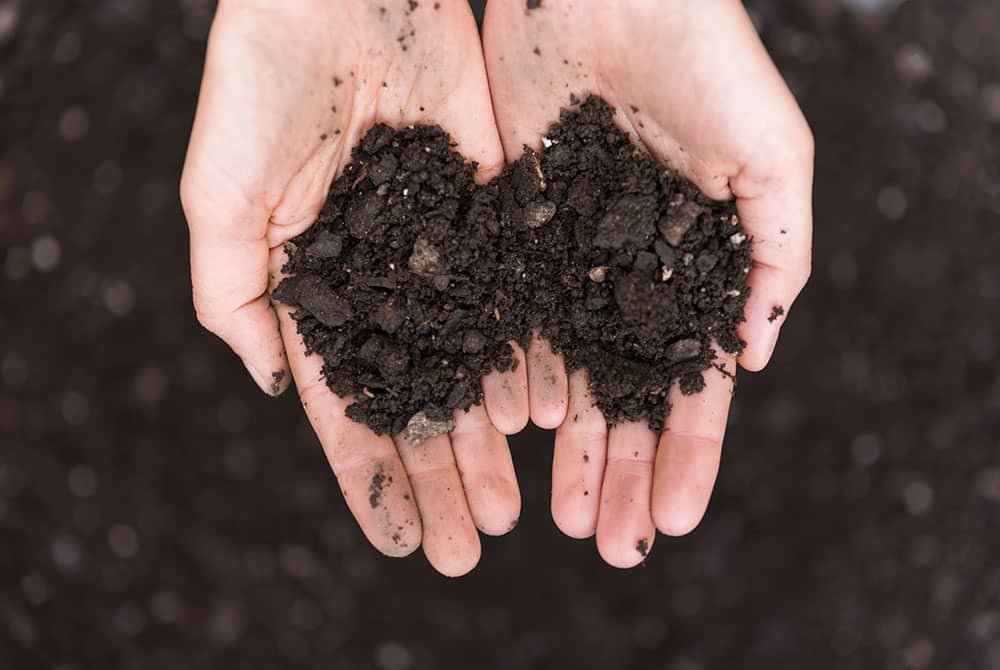
The benefits of biochar go far beyond simply improving garden soil. This carbon-rich material can help soil hold more water, retain nutrients, support beneficial microorganisms, and store carbon for a very long time.
Biochar is made by heating organic materials such as wood, crop waste, or other biomass in a low-oxygen environment. The process creates a stable form of carbon that breaks down much more slowly than ordinary organic matter.
For gardeners and farmers, that can mean healthier soil and better growing conditions. From improving water retention to reducing nutrient loss, biochar has become an increasingly popular tool in sustainable agriculture and land restoration.
In this guide, we’ll look at the main biochar benefits, how it works, where it can be used, and what to know before adding it to your soil.
| Benefit | Main Advantage |
|---|---|
| Improves soil structure | Supports stronger root growth |
| Increases water retention | Helps soil stay moist longer |
| Stores carbon | Supports long-term carbon storage |
| Supports microbial life | Creates habitat for beneficial soil organisms |
| Improves nutrient retention | Reduces nutrient loss |
| Supports plant growth | Can improve growing conditions |
| Helps balance acidic soil | May improve soil pH |
| Improves compost | Helps retain nutrients during composting |
| May reduce greenhouse gases | Can lower some soil emissions |
| Lasts for a long time | Can remain in soil for decades or longer |
What Is Biochar?

Biochar is a carbon-rich material that looks a lot like charcoal, but it is made for a different purpose. It is produced by heating organic materials such as wood chips, crop leftovers, nutshells, or manure in an environment with very little oxygen. This process is called pyrolysis.
While ordinary charcoal is usually made for fuel, biochar is mainly used to improve soil, support composting, assist with environmental restoration, and in some cases help with filtration.
What makes biochar especially interesting is its stability. During pyrolysis, part of the carbon in the original plant material is converted into a form that breaks down very slowly. Once added to soil, that carbon can remain there for a very long time instead of quickly returning to the atmosphere.
Biochar also has a highly porous structure. Those tiny pores can help the soil hold water and nutrients while creating spaces where beneficial microorganisms can live. In some soils, this can also improve aeration and reduce the amount of nutrients lost through drainage.
Not all biochar is the same, though. Its properties depend on what it was made from, how hot it was heated, its particle size, and the type of soil where it is used. For example, manure-based biochar may contain more minerals and nutrients, while wood-based biochar is often more carbon-rich and porous.
Before adding biochar to a garden or farm, it is often a good idea to “charge” it first. This simply means mixing it with compost, manure, compost tea, or another nutrient-rich material so the pores can absorb nutrients and microorganisms before the biochar goes into the soil.
Biochar is not really a fertilizer by itself. It is better described as a long-lasting soil amendment, and many of the benefits of biochar come from the way it improves growing conditions while also helping store carbon in the soil.
1. Biochar Improves Soil Structure

One of the biggest benefits of biochar is the way it can improve the physical condition of soil. Healthy soil needs enough open space for air and water to move through it while still holding enough moisture and nutrients for plant roots.
Biochar helps because it is lightweight and full of tiny pores. Once mixed into the ground, it can create more space between soil particles and improve the movement of both air and water around roots.
This can be especially useful in heavy or compacted soil. Biochar may help loosen dense areas, giving roots more room to spread and reducing the chance that water sits around them for too long.
Sandy soil has the opposite problem. Water and nutrients often drain through it too quickly. Adding biochar can help the soil hold onto more moisture and nutrients, keeping them available to plants for longer.
The results will vary depending on the soil and the type of biochar being used. It is not a cure for every soil problem, and it usually works best when combined with compost or other organic matter.
Over time, better soil structure can encourage stronger roots, improve drainage and aeration, and make the soil more resilient during dry or wet conditions.
Because biochar breaks down very slowly, these improvements can last much longer than those provided by many other organic amendments. That makes it useful not only in home gardens but also in farms, orchards, and land-restoration projects.
2. Biochar Helps Soil Retain More Water

One of the most practical benefits of biochar is its ability to help certain soils hold onto water for longer. Its network of pores can hold some of the moisture that would otherwise drain through the soil quickly.
This is especially helpful in sandy soils, where water can move beyond the root zone before plants have time to use it. When properly prepared biochar is mixed into the soil, more moisture may remain available between rainfall or watering.
That can make a real difference during hot or dry weather. Plants with more consistent access to moisture are generally less stressed and may develop stronger roots and better overall growth.
Biochar can be useful in vegetable gardens, raised beds, orchards, vineyards, landscaping projects, and degraded soils where water retention is poor. It can also support restoration work in dry areas where establishing new vegetation is difficult.
The effect is not the same in every soil. In heavy clay, biochar may be more useful for improving aeration and drainage than for increasing water storage. The results also depend on the type of biochar, how it was produced, and how much is applied.
For best results, biochar is usually mixed with compost or another nutrient-rich material before it goes into the soil. Once charged, it can help hold both moisture and nutrients near plant roots.
Used alongside mulch, compost, rainwater harvesting, and other water conservation methods, biochar can help create soil that stays more evenly moist and is better able to handle short periods of dry weather.
3. Biochar Improves Nutrient Retention

Biochar can hold onto some of the nutrients that might otherwise wash deeper into the soil with rain or irrigation. This is one reason it is used in gardens, farms, orchards, and land-restoration projects.
This nutrient-holding ability is another reason the benefits of biochar are especially noticeable in sandy or heavily weathered soils.
Nutrients such as nitrogen, potassium, calcium, and magnesium can sometimes move below the root zone, especially in sandy soils or places that receive a lot of rainfall. Once that happens, plants may no longer be able to reach them.
Because biochar has a large surface area and many tiny pores, it can hold onto some of these nutrients and keep them closer to plant roots. That can give plants more time to absorb what they need and may also reduce nutrient loss.
This does not mean biochar replaces compost or fertilizer. In most cases, it works better as a nutrient-holding amendment than as a major nutrient source on its own.
That is also why charging biochar before use is important. Mixing it with compost, manure, worm castings, compost tea, or diluted fertilizer gives those pores a chance to fill with nutrients before the biochar is added to the soil.
Fresh, uncharged biochar may temporarily tie up some nutrients, particularly during the first stages after application. Preparing it first helps reduce that risk.
Used correctly, biochar can make nutrient use more efficient, reduce waste, and help keep more of what you add to the soil available to plants for longer.
4. Biochar Supports Beneficial Soil Microorganisms

Healthy soil is alive with bacteria, fungi, and other microorganisms that help break down organic matter and recycle nutrients. These tiny organisms play an important role in keeping soil fertile and helping plants access the nutrients they need.
Those pores and crevices also give some soil microorganisms places to settle, especially after the biochar has absorbed moisture and nutrients.
Supporting soil life is one of the less visible benefits of biochar, but it can be important for long-term soil health.
This is one reason charged biochar can be particularly useful. When it is mixed with compost, worm castings, aged manure, or compost tea before being added to the garden, its pores can become filled with nutrients and microorganisms.
Once incorporated into the soil, biochar may help support microbial activity around plant roots. A healthier soil community can contribute to nutrient cycling, organic matter breakdown, soil structure, and stronger root development.
Certain beneficial fungi may also colonize biochar. Some of these fungi form partnerships with plant roots, helping plants reach water and nutrients beyond the immediate root zone.
The effect will not be identical in every garden. Soil type, moisture, temperature, the type of biochar used, and how it was produced can all influence how microorganisms respond.
For that reason, biochar works best as part of a larger soil-building approach rather than on its own. Combining it with compost, mulch, cover crops, diverse plants, and minimal soil disturbance can help create a healthier and more active soil ecosystem over time.
5. Biochar Can Support Healthier Plant Growth
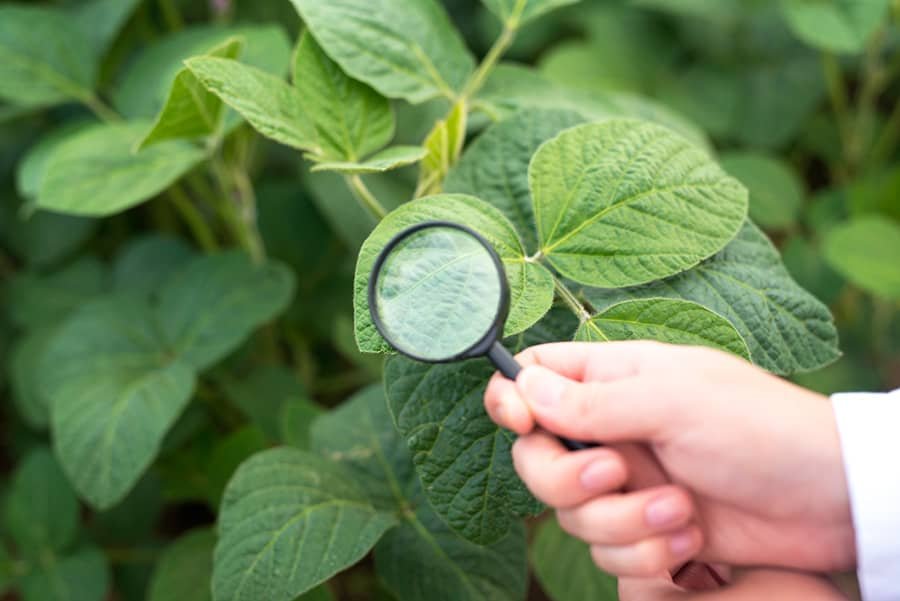
Biochar does not feed plants in the same way fertilizer does, but it can improve the conditions plants grow in. By helping soil hold water and nutrients, supporting microorganisms, and improving soil structure, biochar may create a healthier environment around plant roots.
These combined improvements explain why the benefits of biochar are often discussed in relation to healthier plant growth.
The biggest improvements are often seen in poor, sandy, acidic, or degraded soils. In already rich, well-managed soil, the difference may be less noticeable because plants already have good access to moisture and nutrients.
When conditions are right, biochar may help plants develop stronger roots, establish more easily, and cope better with short periods of heat or drought. It can be used around vegetables, herbs, flowers, shrubs, fruit trees, and many agricultural crops.
That does not mean biochar will automatically increase yields. Results depend on the soil, crop, type of biochar, application rate, and how the material was produced. Too much biochar can also change soil pH or nutrient balance in ways that are not helpful.
For home gardens, a simple approach is to start small. Mix charged biochar with compost and use it in one bed or section of the garden first. That gives you a chance to see how your plants respond before applying it more widely.
In practice, biochar is most useful when the rest of the soil is being looked after too—especially with compost, sensible watering, and regular additions of organic matter.
6. Biochar Can Help Balance Soil Acidity

Some types of biochar can help raise the pH of acidic soil, which may create better growing conditions for plants that struggle when the ground becomes too acidic.
For acidic soils, this can be one of the more useful benefits of biochar when the right product is chosen.
The effect depends on how the biochar was made and what material was used to produce it. Biochar made from manure, crop residues, or other mineral-rich materials is often more alkaline than wood-based biochar.
In very acidic soil, certain nutrients can become harder for plants to absorb, while elements such as aluminum may become more available at levels that can damage roots. A suitable biochar may help reduce some of these problems by gradually making the soil less acidic.
In acidic soil, that change may make certain nutrients easier for plants to access while creating better conditions for roots and soil life.
However, biochar is not a replacement for proper soil testing. Some products are highly alkaline, while others are close to neutral. Adding an alkaline biochar to soil that already has a high pH can make nutrient problems worse rather than better.
Before applying a large amount, it is a good idea to check the soil pH and, if possible, the pH of the biochar itself. Starting with a small application is safer than assuming more will provide better results.
In acidic soils, the right biochar can be a useful part of a longer-term soil-improvement plan, especially when it is used together with compost, organic matter, and appropriate fertilizers.
7. Biochar Can Improve Composting

Biochar can be a useful addition to a compost pile because it helps hold moisture, nutrients, and some of the compounds released as organic materials break down.
Using it in compost is also an easy way to take advantage of the benefits of biochar before it ever reaches the garden.
One of the biggest advantages is that composting naturally “charges” the biochar. Instead of putting fresh biochar straight into the soil, you can mix it into compost and let its pores fill with nutrients and beneficial microorganisms first.
This can be especially helpful in compost piles that contain a lot of nitrogen-rich material, such as grass clippings, food scraps, or manure. Biochar may help hold onto some of that nitrogen instead of allowing it to be lost during decomposition.
It can also help balance moisture and improve airflow inside the pile. In some cases, it may even reduce strong odors, especially when the compost is too wet or contains a lot of fresh nitrogen-rich material.
To use biochar in compost, add a small amount as you build the pile and mix it throughout rather than creating a separate layer. It works well alongside dry leaves, cardboard, kitchen scraps, grass clippings, and other common compost ingredients.
If the biochar is very dry and dusty, lightly dampen it before mixing it in. This makes it easier to handle and helps it blend more evenly with the other materials.
By the time the compost is finished, the biochar will already be coated with nutrients and microorganisms. The result is a rich amendment that combines the short-term benefits of compost with the longer-lasting properties of biochar.
8. Biochar Can Store Carbon for Centuries

One of the most important environmental benefits of biochar is its ability to lock carbon into a much more stable form.
Plants absorb carbon dioxide from the atmosphere as they grow. Normally, much of that carbon returns to the air when the plant material decomposes or is burned. Biochar changes that cycle by converting part of the carbon in biomass into a form that breaks down very slowly.
When well-produced biochar is added to soil, a substantial portion of its stable carbon can persist for centuries. Biochar is one of several approaches being explored for long-term carbon storage, alongside technologies designed to capture carbon dioxide directly from industrial sources or the atmosphere. If you want to compare the approaches, see how effective carbon capture technology is. This is why biochar carbon sequestration has attracted so much attention as a possible climate solution.
The approach can be especially useful when biochar is made from crop residues, forestry waste, or other organic material that might otherwise decompose, be burned, or go unused.
The climate value does not come from carbon storage alone. Biochar can also turn waste biomass into a useful soil amendment, and in some cases it may reduce the need for other inputs by improving water and nutrient retention.
Still, the environmental benefit depends heavily on how the biochar is produced. Biomass should come from sustainable sources, and the pyrolysis process needs to control smoke, methane, and other emissions. Long transport distances or poor production methods can reduce the overall climate advantage.
Biochar is therefore best viewed as one piece of a larger climate strategy, not a replacement for cutting fossil-fuel emissions. Used responsibly, it can work alongside reforestation, composting, regenerative agriculture, and other forms of carbon capture technology.
What makes biochar especially interesting is that it can do two things at once: improve soil while keeping a portion of plant-based carbon out of the atmosphere for a very long time.
Natural climate solutions such as forests also play an important role, and some carbon-storing trees can hold substantial amounts of carbon as they mature.
9. Biochar May Reduce Greenhouse Gas Emissions From Soil

Biochar may do more than store carbon. In some soils, it can also influence the release of other greenhouse gases, especially nitrous oxide and methane.
Nitrous oxide can be released when nitrogen fertilizers or manure are added to soil, while methane is more common in wet, oxygen-poor conditions. Both gases contribute to climate warming, so even modest reductions can matter.
Biochar may help by changing the conditions inside the soil. Its porous structure can improve airflow, affect moisture, hold onto some nitrogen, and create habitat for microorganisms involved in nutrient cycling.
In certain agricultural systems, these changes have been linked with lower nitrous oxide emissions and better use of fertilizer nutrients. Biochar may also help reduce nitrogen losses that would otherwise move into water or escape into the atmosphere.
The results are not the same everywhere, though. The effect depends on the type of soil, moisture level, crop, fertilizer use, application rate, and how the biochar was produced. Some studies show clear reductions, while others find smaller or inconsistent effects.
That is why biochar should not be treated as a guaranteed way to cut greenhouse gas emissions. It works best as part of a broader approach that includes careful fertilizer use, composting, cover crops, efficient irrigation, and good soil management.
This potential reduction in soil emissions adds another dimension to the environmental benefits of biochar.
When those practices are combined, biochar may help lower the environmental impact of farming while also improving soil health and storing carbon for the long term.
10. Biochar Can Help Restore Degraded Land

Biochar can be especially useful in soils that have been damaged by erosion, drought, intensive farming, construction, mining, or desertification.
Degraded soil often has several problems at once. It may be compacted, low in organic matter, poor at holding water, and unable to retain nutrients effectively. Plant growth can become difficult, which makes recovery even slower.
In damaged soils, the benefits of biochar may be especially valuable because several soil problems can occur at the same time.
Because biochar is porous and breaks down very slowly, it can help restore some of these lost soil functions. When mixed with compost or other organic materials, it may improve moisture retention, nutrient availability, soil structure, and microbial activity.
That can make it easier for grasses, crops, trees, and native plants to establish themselves. Once vegetation begins to recover, plant roots can help stabilize the soil and reduce further erosion.
Biochar may be useful in reforestation projects, abandoned farmland, damaged grasslands, and areas where people are working to prevent desertification. It can also be used as part of mine-site rehabilitation and other land-restoration efforts.
Still, biochar cannot repair badly degraded land by itself. Successful restoration usually also requires better water management, erosion control, organic matter, suitable vegetation, and protection from whatever caused the damage in the first place.
The quality of the biochar also matters. Products made from contaminated feedstocks or produced under poor conditions can introduce unwanted substances into the soil, so tested material from a reliable source is important.
Used as part of a larger restoration plan, biochar can help create better conditions for soil life and vegetation to return, giving damaged land a better chance to recover over time.
How to Use Biochar in Your Garden

Biochar works best when it is prepared before being mixed into garden soil. Fresh biochar has many empty pores, and if it is added in large amounts without preparation, it can temporarily hold onto nutrients that plants need.
Proper preparation is important if you want to get the full benefits of biochar without creating nutrient or pH problems.
That is why gardeners often “charge” biochar first.
Charge Biochar Before Using It
One of the easiest methods is to mix a modest amount of biochar into finished compost before adding it to the garden. You do not need an exact ratio. The goal is simply to expose the biochar to moisture, nutrients, and microbial life before it reaches the soil.
You can also add it directly to an active compost pile, where it will gradually absorb nutrients and become colonized by microorganisms as the compost breaks down.
Another option is to soak biochar in a nutrient-rich liquid such as compost tea, diluted liquid fertilizer, worm-casting tea, or manure tea.
Start With a Small Area
There is usually no reason to cover an entire garden at once. Start with a modest amount of charged biochar in one bed or planting area and see how the soil and plants respond.
Mix it into the soil rather than leaving it in a thick layer on the surface.
Use It in Beds, Containers, and Around Trees
Charged biochar can be blended with compost and soil when building or refreshing raised beds. It can also be incorporated around fruit trees, shrubs, and grapevines.
Avoid piling biochar directly against trunks or stems. It is better mixed into compost and worked into the surrounding root zone.
Biochar can also be used in potting mixes, but containers are less forgiving than garden beds. Because they hold a smaller volume of soil, too much biochar can affect drainage, pH, and nutrient balance more quickly.
Use a small amount of finely screened, charged biochar and mix it thoroughly with the potting medium.
Use Biochar as Part of a Bigger Soil Strategy
Biochar is most effective when it is combined with other good gardening practices such as composting, mulching, crop rotation, efficient irrigation, cover crops, and regular soil testing.
It should support healthy soil management, not replace it.
One of the biggest advantages of biochar is how long it lasts. Compost needs to be added again as it breaks down, but quality biochar can remain in the soil and continue influencing its structure and nutrient-holding ability for many years.
Biochar vs. Compost: What Is the Difference?

Biochar and compost are both useful soil amendments, but they do different jobs.
Understanding this difference also makes it easier to see why the benefits of biochar and compost often complement each other.
Compost is made from decomposed organic materials such as food scraps, leaves, grass clippings, and manure. It adds organic matter, nutrients, and beneficial microorganisms to the soil.
Biochar is produced by heating organic material in a low-oxygen environment. It is much more stable than compost and is mainly valued for its ability to improve nutrient retention, water management, soil structure, and long-term carbon storage.
| Feature | Biochar | Compost |
|---|---|---|
| Main purpose | Long-term soil improvement and carbon storage | Adds nutrients and organic matter |
| Nutrient content | Usually low to moderate | Usually higher and more readily available |
| Longevity | Can remain in soil for decades or longer | Breaks down over months or years |
| Microbial role | Provides habitat for microorganisms | Feeds and introduces microorganisms |
| Water retention | Can help soil hold moisture | Improves moisture retention through organic matter |
| Carbon stability | Very stable | Breaks down more quickly |
| Best use | Charged and mixed into soil or compost | Added regularly to maintain soil fertility |
The biggest difference is how long they last. Compost breaks down relatively quickly and needs to be replenished, while biochar can remain in the soil for a much longer time.
Compost also provides more immediate nutrition. Biochar usually contains fewer readily available nutrients, but it can help keep nutrients from compost and fertilizer in the root zone for longer.
This is why the two often work better together.
Mixing biochar with compost allows the biochar to absorb nutrients and become populated with microorganisms before it reaches the garden. The finished mixture combines the short-term benefits of compost with the longer-lasting properties of biochar.
For most gardens, there is no need to choose one or the other. Using mature compost together with properly charged biochar can be a practical way to improve soil fertility, water retention, and long-term soil structure.
Potential Drawbacks of Biochar
The benefits of biochar can be substantial, but it is not the right choice for every soil or every garden.
Fresh Biochar Can Tie Up Nutrients
Uncharged biochar has many empty pores that may temporarily hold onto nutrients from the surrounding soil. This can make some nutrients less available to plants at first.
That is why biochar is usually better when it is mixed with compost, manure, worm castings, or another nutrient-rich material before use.
It Can Raise Soil pH Too Much
Many biochars are alkaline. That can help in acidic soils, but it may cause problems in soil that is already neutral or alkaline.
If the pH rises too much, plants may have a harder time absorbing certain nutrients. Testing the soil before a large application is a smart precaution.
Product Quality and Handling Matter
Not all biochar is made the same way. Its properties depend on the feedstock, production temperature, ash content, and manufacturing process.
Poor-quality products may contain too much ash, salts, or unwanted contaminants. For garden use, choose biochar from a reputable producer that provides information about how the product was made.
Dry, finely crushed biochar can also create a lot of black dust. Lightly moistening it before mixing or spreading makes it easier to handle and reduces airborne particles.
More Is Not Always Better
Applying too much biochar can change soil pH, drainage, nutrient balance, and water movement.
For home gardens, it is usually better to start with a small test area rather than heavily amending the entire yard at once.
Cost and Sustainability Matter
Commercial biochar often costs more upfront than compost or mulch, especially if you are treating a large area. Its long lifespan may make that cost easier to justify, but whether it is worthwhile depends on the soil, the product, and how it is being used.
How the biochar is produced matters too. Clearing healthy forests just to make biochar would undermine much of its environmental value. A better option is biochar made from agricultural residues, forestry waste, invasive vegetation, or other biomass that would otherwise be discarded or burned.
Frequently Asked Questions About Biochar
Is biochar good for every type of soil?
Not necessarily. Biochar often performs best in sandy, acidic, nutrient-poor, or degraded soils. In heavy clay or already alkaline soil, the benefits may be smaller and the wrong type of biochar can create new problems.
A soil test is a good idea before making a large application.
How long does biochar stay in the soil?
Biochar breaks down very slowly and can remain in soil for a very long time. Depending on how it was produced and the conditions in the soil, some of its carbon may persist for centuries or longer.
That long lifespan is one of the main differences between biochar and compost.
Does biochar replace fertilizer?
No. Biochar is better thought of as a soil amendment than a fertilizer.
It can help soil hold onto nutrients, but plants still need an actual nutrient source such as compost, manure, or fertilizer.
Can biochar be used in vegetable gardens?
Yes. Charged biochar can be used in vegetable beds, raised beds, herb gardens, orchards, and even some container mixes.
It is best to start with a small amount and mix it thoroughly with compost and soil rather than placing it in a concentrated layer.
What is the difference between biochar and charcoal?
They may look similar, but they are made for different purposes.
Charcoal is usually produced as a fuel for cooking or heating. Biochar is made for use in soil, compost, carbon storage, and other environmental applications.
Do not assume barbecue charcoal is safe for the garden, especially if it contains binders, lighter fluid, or other additives.
Can I make biochar at home?
Yes, but it requires care. Biochar is usually made in a kiln or another controlled low-oxygen system.
Poorly managed burning can create smoke, carbon monoxide, fire hazards, and unwanted compounds. Local fire rules should always be followed.
Should biochar be crushed before use?
Smaller pieces are easier to mix evenly into compost and soil, but very fine biochar can become dusty.
Lightly moistening it before handling can make it easier to spread and reduce airborne particles.
How often should biochar be applied?
Biochar usually does not need to be added every year because it remains in the soil for a long time.
After the first application, additional biochar should be based on soil conditions, plant performance, and how much was already used.
Can biochar harm plants?
It can, particularly if too much is used or the biochar is poorly matched to the soil.
Too much biochar, an unsuitable product, high pH, excess salts, or fresh uncharged biochar can sometimes cause nutrient or soil-balance problems. Starting small reduces the risk.
Is biochar really good for the environment?
It can be.
Biochar can store carbon, make use of organic waste, improve some degraded soils, and reduce certain nutrient losses. But the environmental benefit depends on how the biomass was sourced, how efficiently the biochar was produced, and how it is used afterward.
Final Thoughts: Are the Benefits of Biochar Worth It?
For the right soil and the right application, the benefits of biochar can make it a worthwhile long-term amendment.
Biochar can help soil hold water and nutrients, support beneficial microorganisms, improve structure, and create better growing conditions. Because it breaks down very slowly, those effects can last much longer than many other organic amendments.
Its ability to store carbon also gives it an environmental advantage. When biochar is made from responsibly sourced agricultural or forestry waste, it can turn leftover biomass into something useful while keeping part of that carbon stored in the soil.
That said, biochar is not something to add blindly. The product quality, soil type, pH, application rate, and whether it has been charged first can all affect the results.
For most gardeners, the simplest approach is to start small. Mix good-quality biochar with mature compost, use it in one section of the garden, and see how the soil and plants respond.
Used carefully and alongside composting, mulching, efficient watering, and other good soil practices, biochar can be a practical tool for building healthier, more resilient soil over the long term.
Explore More Sustainable Soil & Climate Solutions
If you’re interested in biochar, you may also want to explore these related guides on soil health, carbon storage, water conservation, and land restoration:
- How Can We Prevent or Reverse Desertification? — Learn how damaged and dry land can be restored through better soil, water, and vegetation management.
- 10 Ways to Reuse Water — Practical ways to conserve water at home and reduce unnecessary freshwater use.
- Why Water Preservation Is Important — Discover why protecting freshwater resources matters for ecosystems, agriculture, and communities.
- What Is Carbon Capture Technology? — See how different technologies are being developed to capture and store carbon dioxide.
- How Effective Is Carbon Capture Technology? — Explore the potential and limitations of carbon capture as a climate solution.
- Top 10 Carbon-Storing Trees — Learn how trees store carbon and why some species are especially valuable for long-term carbon storage.



0 Comments